




















News
Products
Suppliers
News
Search
All Categories
Products or Suppliers
Content Hub
Product Zone
Sponsorship & Membership
CPHI & PMEC China
Active Pharmaceutical Ingredients
Intermediates & Fine Chemicals
Bio Products
Finished Dosage
Pharmaceutical Excipients
Natural Extracts
Dietary Supplements
Food Ingredients
Medical Aesthetic Skincare
Pharmaceutical Outsourcing, Customised Services, and Consulting
API Equipment
Preparation Equipment
Pharmaceutical Packaging Machinery
TCM Machinery
Pharmaceutical water equipment
Refrigeration Equipment
Parts and Components
Clean Technology
Environmental Protection Equipment
Laboratory
Packaging & Drug Delivery
Logistics
Measuring Instrument
Informatization Products
Other Consumables
Filtration separation
Intelligent Logistics
Cold chain Technical &Materials
Logistics Equipment &Materials
Storage Equipment &Materials
Logistic Services
Third-party logistics
Dangerous Goods Logistics
Level instrument
Pressure gauge
Thermometers
Flow meter
Gas analysis instrument
Liquid analysis instrument
Fermenter Equipment
Other Measuring Instrument
Other Logistics
Medical Aesthetic Consumables
Soft tube/Hard tube
Smart Lab
Pharmaceutical Intermediates
Anti-tumor Preparations
Pharmaceutical Manufacturing Outsourcing
Chemical and Biochemical Reactors
Mixing Equipment
CIP System(Clean in place)
Herbal medicine Concentration Equipment
Purification Equipment
Low Temperature Refrigeration
Seals
Laboratory General Equipment
Functional Food Raw Materials
Inner packaging equipment
Polluted Water / Wastewater Treatment Equipment
Injection Raw Materials and Ingredients
IVD (In Vitro Diagnostics) Consumables
Concentrator Equipment
MES System
APIs for Anti-Infective Drugs
Biochemical APIs
Botanical products
Pharma Packaging
Diluents (Fillers)
Intermediates for Agrochemicals
Reagent
Cardiovascular, Cerebrovascular, and Circulatory System Formulations
Pharmaceutical R&D Outsourcing
Drying Equipment
TCM Pulverizer
Water Purification Equipment
Purification Test Instrument
Air Conditioner
Sanitary Fittings
Analytical Instrument
Other Dipstick Consumables
Nutraceutical Ingredients
Granules Machinery
Outer packaging
Waste Gas Treatment Equipment
Active Ingredients
Binders
Drug delivery systems
Sensors
APIs for Nervous System Drugs
Animal-derived products
APIs for Cardiovascular System Drugs
Endocrine and Metabolic Preparations
Disintegrants
service
Crystalling Equipment
Pill Making Equipment
Other Water Treatment Equipment
Clean Clothes/Clean Cap/Clean Shoes
Cold Storage
Pumps
Food & Beverage Raw Materials
Life Science Instrument
Tablet equipment
Other pharmaceutical packaging equipment
Solid and Hazardous Waste Treatment Equipment
Innovative Materials
Controllers & Drivers
Speciality Intermediates
Microbial products
APIs for Digestive System Drugs
Antibacterial and Antiviral Formulations
Lubricants
Extraction Plant
Slice Machine
Clean Bench
Refrigeration Auxiliaries
Valves
Biologics
Food Additive
Reagents and Consumables
Capsule equipment
Pharmaceutical water equipment
Testing & Monitoring Instruments and Equipment
Veterinary Pharmaceutical Intermediates
Automation Software
APIs for Respiratory System Drugs
Bio Technology Service
Antipyretic and Analgesic Preparations
Glidants / Anti-caking Agents
Heat Exchanger
Herbal medicine Drying Equipment
Air Shower Room
Compressor
Cylinders
Fine Chemicals
Crushing equipment
Ultrapure Water System
Other Automation & Informatization Products
OEM/ODM
Measuring Instruments
Energy-saving and Low-carbon Equipment
Medical Device
Other Intermediates
Antiparasitic Preparations
Coating Agents
Storage Tanks, Containers
Herbal medicine Extraction Equipment
Air Purification
Other Refrigeration Equipment
Drive Equipment
Liquid preparation equipment
Solution Preparation System
Other Environmental Protection Equipment
APIs for Hormones and Regulatory Drugs
Other Natural Products
Physical Testing
APIs for Antiparasitic Drugs
Anti-Allergic Formulations
Plasticizer
Evaporating Equipment
TCM Cooking Equipments
Cleanroom
Reducers
Laboratory Engineering
Biopharmaceutical Equipment
Membrane Module
Other Medical Aesthetics & Skincare
APIs for Antipyretic and Analgesic Drugs
Anti-Tuberculosis and Anti-Leprosy Formulations
Surfactant
Distillation Equipment
Drop Pill Equipment
Purifying Engineering
VFD (Variable Frequency Drive)
Other preparation equipment
Distilled water machine
Laboratory Solutions
Vitamin
Digestive System Preparations
Centrifuge
Screening Machine
Honey Pill Machine
Flooring Materials
Bearing
Emulsifiers
Ion-exchange equipment
Online Process Control
Respiratory System Preparations
Sterilizing Equipment
TCM Deposition Equipment
Spare Part
Other Cleaning System
Stainless Steel
Suspending Agents / Thickening Agents
Nervous System Preparations
Filter press equipment
Herbal medicine Fermentation Equipment
Plastic
Containment System
Special Active Ingredients
Ointment Bases
Homogenizer Equipment
Other TCM Machinery
Others Parts and Components
APIs for Veterinary Drugs and Feed Additives
Anaesthetic and Adjuvant Formulations
Air Filter
Suppository Bases
Other Active Pharmaceutical Ingredients
Blood System Formulations
Cleanroom Consumables
Filter element
Glass lining equipment
Film-forming Agents
Urinary and Reproductive System Formulations
Other API Machinery and Equipment
Filter Paper
Release Modifiers
Immunomodulatory Formulations
Filter Paper Board
smotic Pressure Regulators / Tonicity Adjusting Agents
Water, Electrolyte, and Acid-Base Balance Regulating Formulations
Ph Control Agents
Nozzle, Tank Cleaning Machine
Vitamin, Mineral, and Amino Acid Formulations
Antioxidants / Antioxidant Synergists
Fluid Equipment
Enzyme and Other Biochemical Formulations
Antimicrobial Preservatives (Preservatives)
Tonic and Nutritional Formulations
Complexing Agents (Chelating Agents / Inclusion Compounds)
Hormonal Formulations
Solubilizers
Dermatological Preparations
Co-solvents
ENT Preparations
Penetration Enhancers (Transdermal)
Other Preparations
Freeze-drying Protective Agents
Refrigerants / Cryogens
Capsule
Correctives
Colorant
Fragrances
Adsorbents
Humectants
Pressure-sensitive Adhesives (PSA)
Stiffening Agents
Carriers for Dry Powder Inhalers (DPI Carriers)
Other Excipients
Pipes and Pipe Fittings
Vacuum Equipment
Air Compressor
Compressor
Other Fluid Equipment
Filters
Filter Presstem
Filtration System
Filter Cartridge
Filter Bag
Filter Mesh
Filter Cloth
Filter Membrane
Other Filtration Equipment
Sanitary Pressure Vessel
Hyaluronic Acid
Collagen
Botulinum Toxin
Peptide
Other Injection Raw Materials and Ingredients
Ceramide
Ectoin
Niacinamide
Asiaticoside
Ergothioneine
Chitosan
Other Active Ingredients
Chiral Intermediates
Advanced Intermediates
Microfiltration
Ultrafiltration
Auxiliary Equipment
Separation equipment
Penicillin
Hormones
Central Nervous System Drugs
Reagents for Biopharmaceuticals
Drug Target Discovery and Validation
Plant Extracts
Animal Extracts
Synthesis/Screening
Process Development/Optimisation/Scale-Up Production
Drug Registration and Submission Services
Ointment Filling-sealing Machine、Vacuum Mixer
Eye Drug Machinery
Soft Gelatin Capsule Machinery
Tablet Press
Pneumatic Cracker
Granulator
Labelers, Label Printers
Bag Packaging Machine
Thermostatic / Heating / Drying Equipment
Chromatography
Particle Size / Particle / Powder Analysis Instruments
Tabletop
Glass bottles & Vials
Prophylactic Biological Products
Mixing Tank/Blender
Bioreactor
Intravenous Infusion Set Assembly Equipment(Pen Assembly Equipment)
PCR
Recombinant Collagen
Alkaloids
Veterinary API
Regulated Fine Chemicals
Peptides
Metered Dose Inhalers
Balances / Weighing Scales
Online Gas Chromatography
Cephalosporins
Anesthetics
Immunology Reagents
Drug Development Technologies
Pharmaceutical Chemistry
Formulation Design
Regulatory and Compliance Consulting
Syrup Machinery
Injection Medicine Machinery
Hard Capsule Filling Machine
Coating Machine
Medicine Material Grinding Machine
Lettering machine
Box Packaging Machine
Mass Spectrometry
Laboratory Bench
Aluminum Foil
Rheometers / Viscometers
Fermentation Products
Chemical Reagents
Cleaning & Disinfection Equipment
Granulator
Emulsifier
Biological Fermentation System
Injection Molding Equipment
Protein analysis
Exosome
Phospholipids
Prostaglandins
Veterinary Biologics
Chemical Reagents
Therapeutic Biological Products
Dry Powder Inhalers
Biochemical Reagents
Antibodies
Natural Pigments
Animal Lipids
Enzyme Preparations
Flowmeters
Online Particle Size Analyzer
Tetracycline
Amino Acids and Derivatives
Process Optimization and Testing
Nucleic Acids and Derivatives
Pre-Clinical Research
Chemical/Biological API Manufacturing
Powder Filling Machine
Oral Liquid Machinery
Low Temperature Pulverizer
Strapping machine
Paper Film Packaging Machine
Pumps
Thermal Analyzers
Spectrometers
Other Measurement and Metrology Instruments
Storage Cabinets
Plastic Bottles
Other Industrial Process Control and Online Analytical Instruments
Certification
Feed Additives
Diagnostic Biological Products
Pulverizer
Coating Machine
Capsule Filling Machine
Other Mixing Equipment
Cell Engineering Equipment
Pre-filled Syringe Production Equipment
Purification Equipment
Electrophoresis/Gel Imaging/UV Detection
Regenerative Materials
Other Fine Chemicals
Cell Biology Reagents
Biological Consumables
Soft Mist Inhaler
Plant Polysaccharides
Animal Proteins
Microbial Polysaccharides
Aminoglycoside
Enzymes
Molecular Biology Reagents
Clinical Trials
Intermediate Synthesis and Production
Market and Business Strategy Consulting
Suppository Drug Machinery
Powder Injection Machinery
Pharmaceutical Milling Machinery
Printing Device
Blister Packaging Machine
Valves
Environmental Test Chambers
Moisture Analyzer
Air Discharge Equipment
Rubber Stopper
Tablet Press
Other Tablet Equipment
Capsule Production Line
Isolator
Synthesis/Reaction Equipment
Microbial Detection Instrument
Composite Biomaterials
Animal Breeding Auxiliary Products
Packaging Testing Equipment
Laboratory Glassware and General Consumables
Preclinical Research Services
Nebulizer
Essential Oils
Animal Polysaccharides
Bioactive Functional Ingredients
Macrolides
Microbial / Fermentation Reagents
Proteins
Other Technology Services
Biotechnology Services
Formulation Development and Manufacturing
Other Services
Medicine Film Drug Machinery
Infusion Medicine Machinery
Pharmaceutical Machine Milling
Instruction Booklet Folding Machine
Fan
Chromatography Consumables and Accessories
Other Physical Properties Testing Instruments
Gasket
Prefillable Syringes
Sample Preparation / Digestion Equipment
X-ray Structure Analysis
Safety Cabinet
Counting Machine (Tablet)
Other Capsule Filling Equipment
Disposable Biotechnology Equipment
Vacuum Packaging Machine
Laboratory Low-temperature Storage
Other Innovative Materials
Other Veterinary
Conveying equipment
Natural Spices
Bile Acids and Active Ingredients
Sulfonamides
Other Specialized Reagents
Computational Chemistry and AI-Assisted Drug Design
Clinical Trial Drug Manufacturing
Aerosol Drug Machinery
Super Micro Mill
Bottle Conveyer
Bundling Packaging Machine
Mixing/Dispersion Equipment
Other Laboratory Complete & Ancillary Equipment
Trays
Other Laboratory Consumable
Other Preparation Machinery for Solid Medcine
Centrifugal Separation System
Automatic Packaging Machine
Other Analytical Instrument
Chip System/Accessories
Cytokines
Counting Machine
Cartridge Vial
Medicinal Herbs
Bee Products
Chloramphenicols
Testing
Other Pharmaceutical Manufacturing Outsourcing
Medicine Filling Machine
Disk Type Bottle Straightening Machine
Lidding Materials
Other Crushing Equipment
Ultrafiltration/Microfiltration System
Horizontal Pillow Packaging Machine
Cartoning Machine
Auto-injector
Transfection/Cell Fusion
Track & Trace
Gas Generators / Gas Handling Equipment
Blood Products
TCM Ingredients & Slices
Animal Medicinal Materials
Lincomycin
Microbial Products
Bottle Washer
Vial Sealing Machine
Liquid Handling Equipment
Hoses and Fittings
Other Biopharmaceutical Equipment
Vertical Packaging Machine
Casing Machine
Microplate Reader/Enzyme Labeling Instrument
Analysis and Validation
Serialization System
Pen Injector
Other Anti-Infective Drug
Other Pharmaceutical R&D Outsourcing
Conveyer For Medicine Material
Other
Centrifuge
Spray Pump
Other Injectable Equipment
Aluminum Foil Packaging Machine
Coding Machine
Cell Analysis
Automated Assembly
Other Laboratory General Equipment
Packaging Bag Valve
Freeze Dryer
Granule packaging machine
Other Drug Delivery Device Accessories
Biological Microscope/In Vivo Imaging
Other Antibiotics
Cap Screwing Machine
Nasal Drug Delivery Devices / Nasal Spray Pumps
Printing Services
Liquid Packaging Machine
Laboratory Automation
Screw Capping Machine
Lamp Inspection Machine
Ophthalmic Drug Delivery Devices / Eye Drop Delivery Systems
Labelling
Powder Packaging Machine
Synthesizer
Heat Shrink Packaging Machine
Metal Detector
Insulin Pens / Blood Glucose Management Devices
Security Taggants & Markings
Tablet Packaging Machine
Animal Experiment Instrument
Injection & blow molding machines
Batching system
Self-Injection Systems / Safety Protection Devices
Incubator Equipment
Printed Drugs Packaging
Box filling & sealing machine
Palletizing equipment
CIP cleaning system
Topical / Gynecological / Intimate Drug Delivery Devices
Desiccants
Other Life Science Instrument
Bottle Filling Line
Contaners
Lifting Charging Machine
Others
Inhalant Packaging
BFS Bottlepack Machine
Weighting Equipment
Blister Packaging Machine
Pharmaceutical Paper
Packaging bag valve
Container Sealing Machine
Glass Tube
Other Pharmaceutical Outer Packaging Equipment
Multi-functional Bottle Packaging Machine
Medical Aesthetic Freeze-Dried Powder Vials
Sachets Cartoner Packing line
Primary Packaging
Other Pharmaceutical Inner Packaging Equipment
Aluminum Caps & Aluminum-Plastic Combination Caps
Sterile Bags / Breathing Bags / Sterilization Bags
Medical Device Packaging / Bioconsumables Packaging
Dispensing Bottles
Blister Packaging
Pharmaceutical Plastic Films / Composite Film Bags
Accessories
Ampuls
Other Packaging Materials
Home
Industry Insights
Pharma Sources Insight
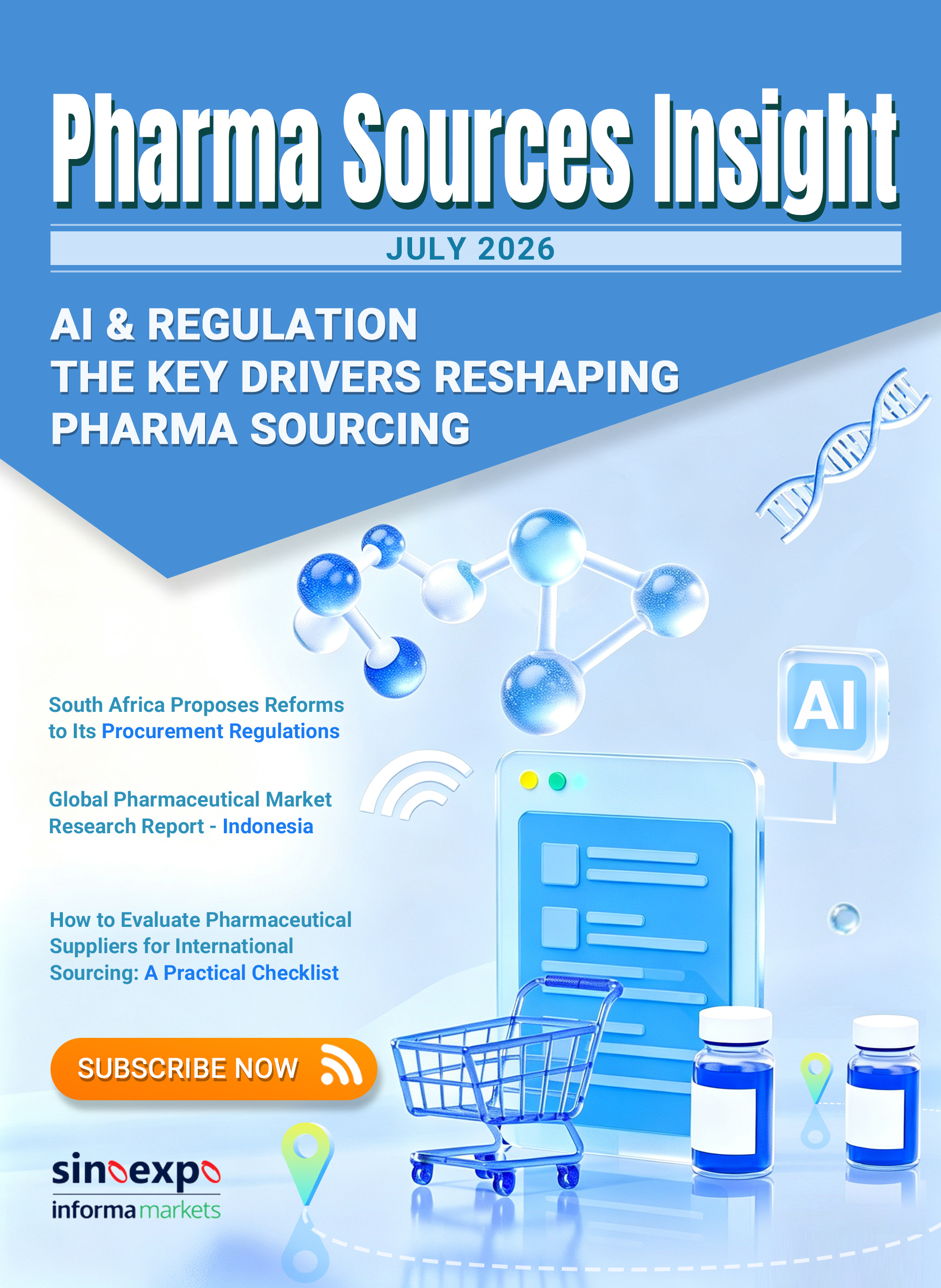
Pharma Sources Insight July 2026: AI & Regulation - The Key Drivers Reshaping Pharma Sourcing
DOWNLOAD
Pharma Sources Insight January 2026: Next Generation Therapeutics

DOWNLOAD
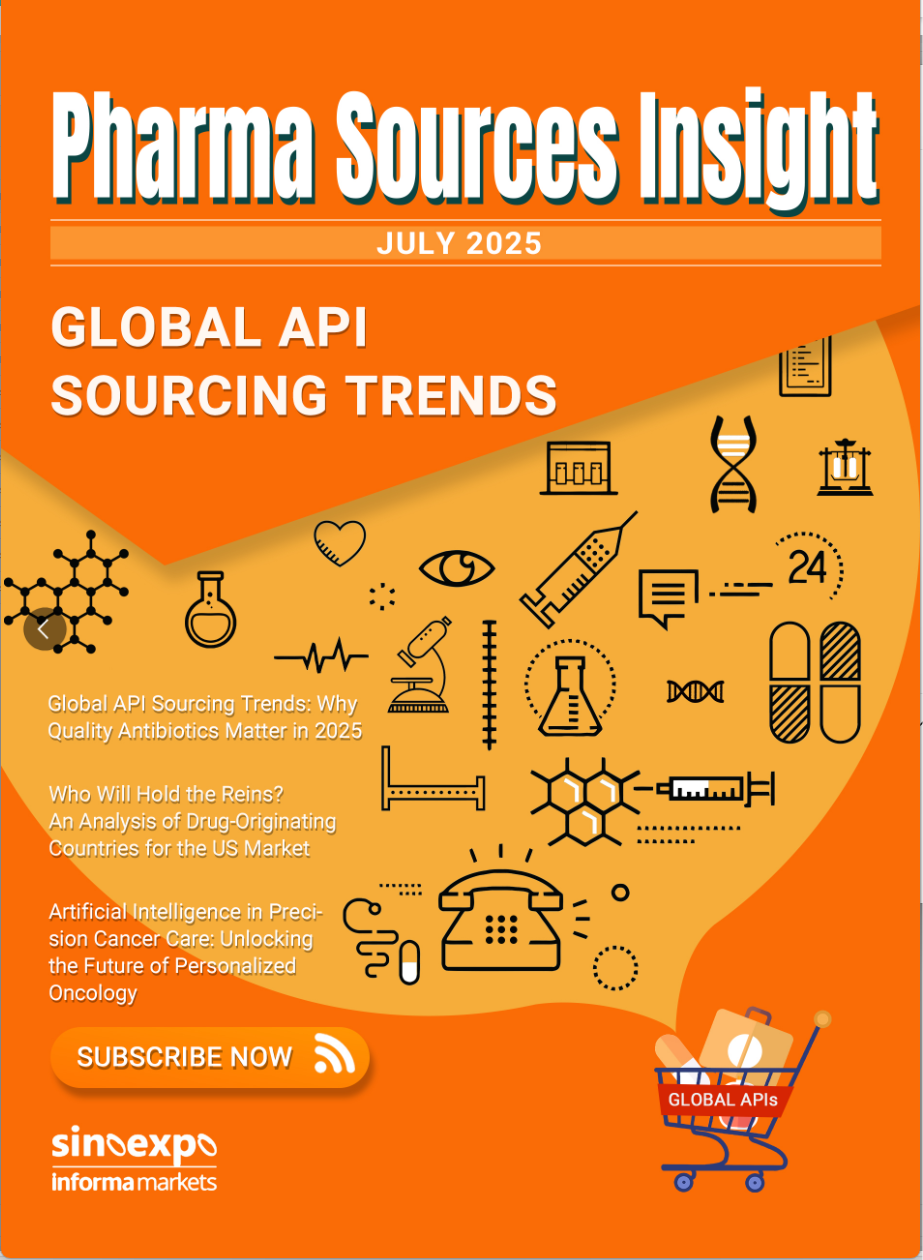
Pharma Sources Insight July 2025: GLOBAL APISOURCING TRENDS
DOWNLOAD
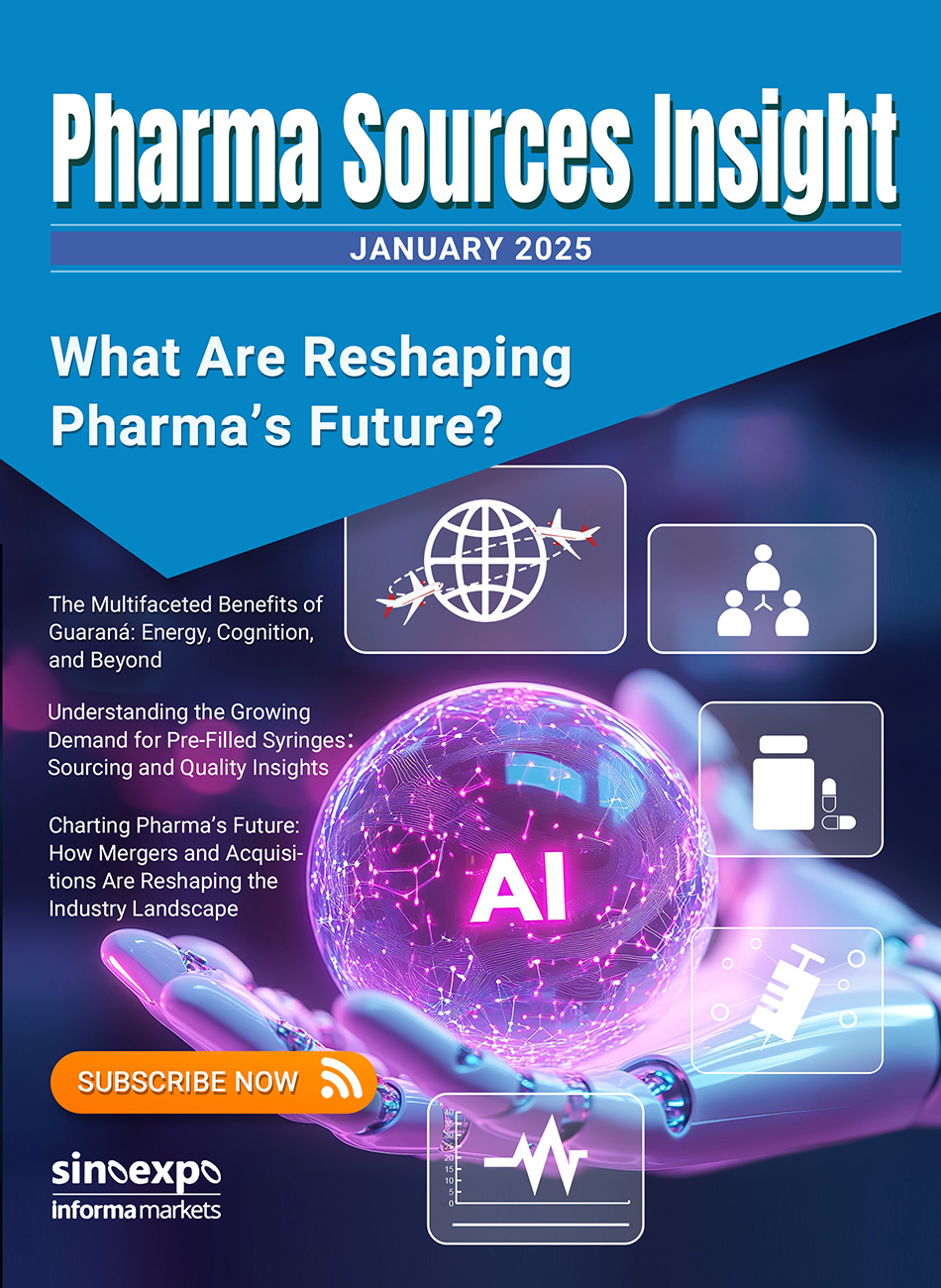
Pharma Sources Insight January 2025: What are Reshaping Pharma's Future?
DOWNLOAD
Pharma Sources Insight June 2024: Globalization on the Go

DOWNLOAD
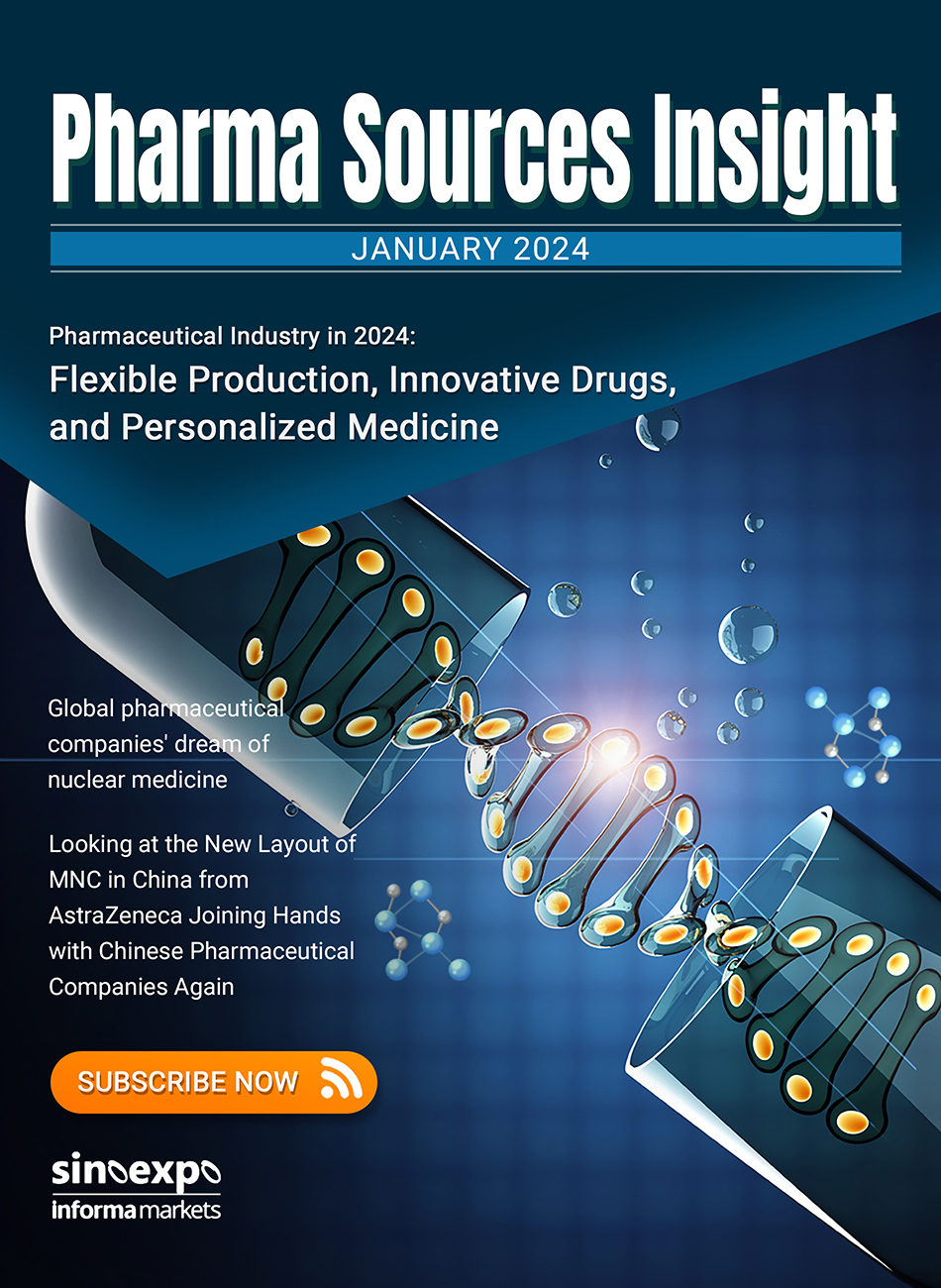
Pharmaceutical Industry in 2024: Flexible Production, Innovative Drugs and Personalized Medicine
DOWNLOAD
PSI April 2023: Innovative Drugs Going Aroad

DOWNLOAD
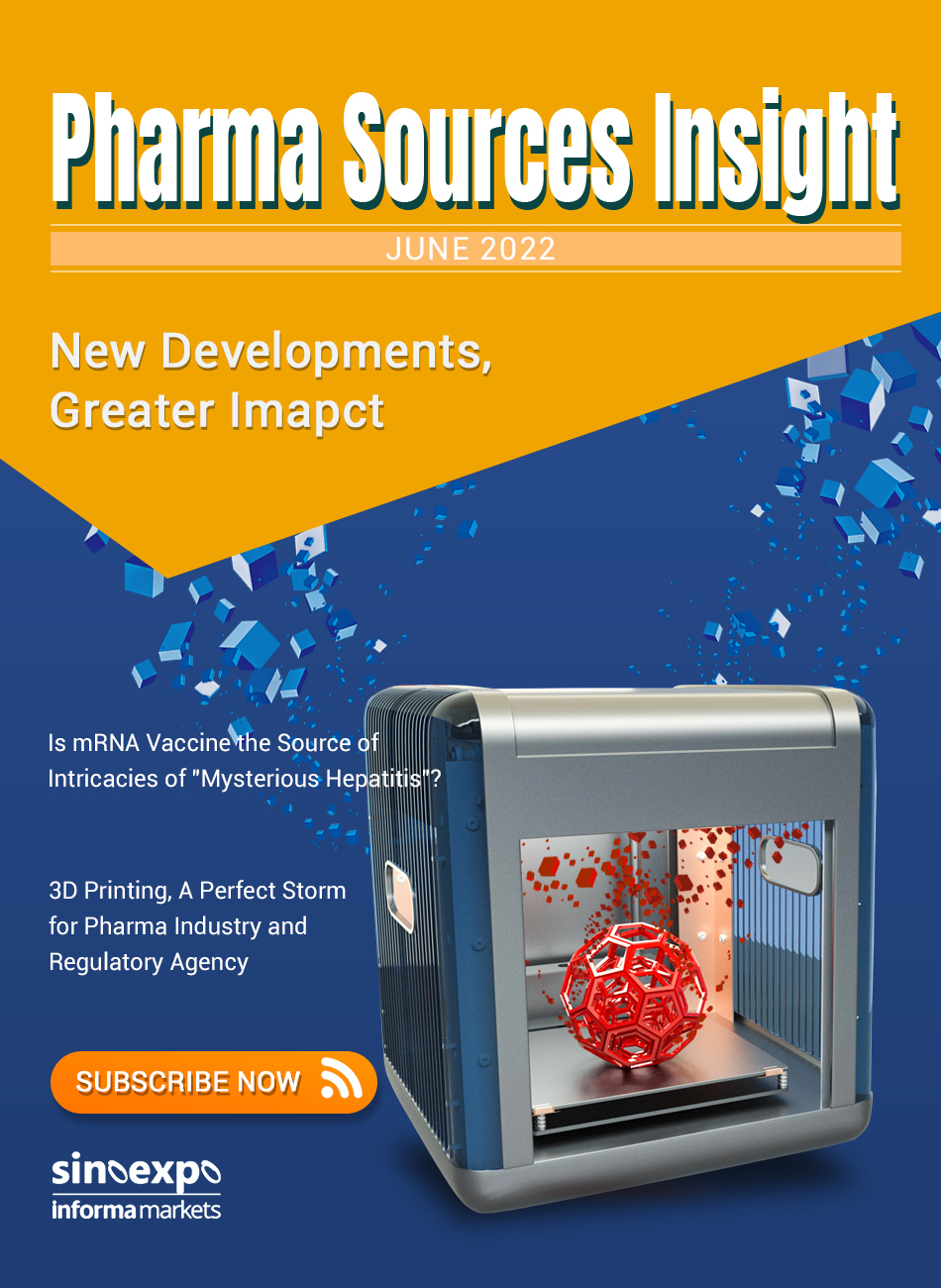
PSI June 2022: New Developments, Greater Imapct
DOWNLOAD
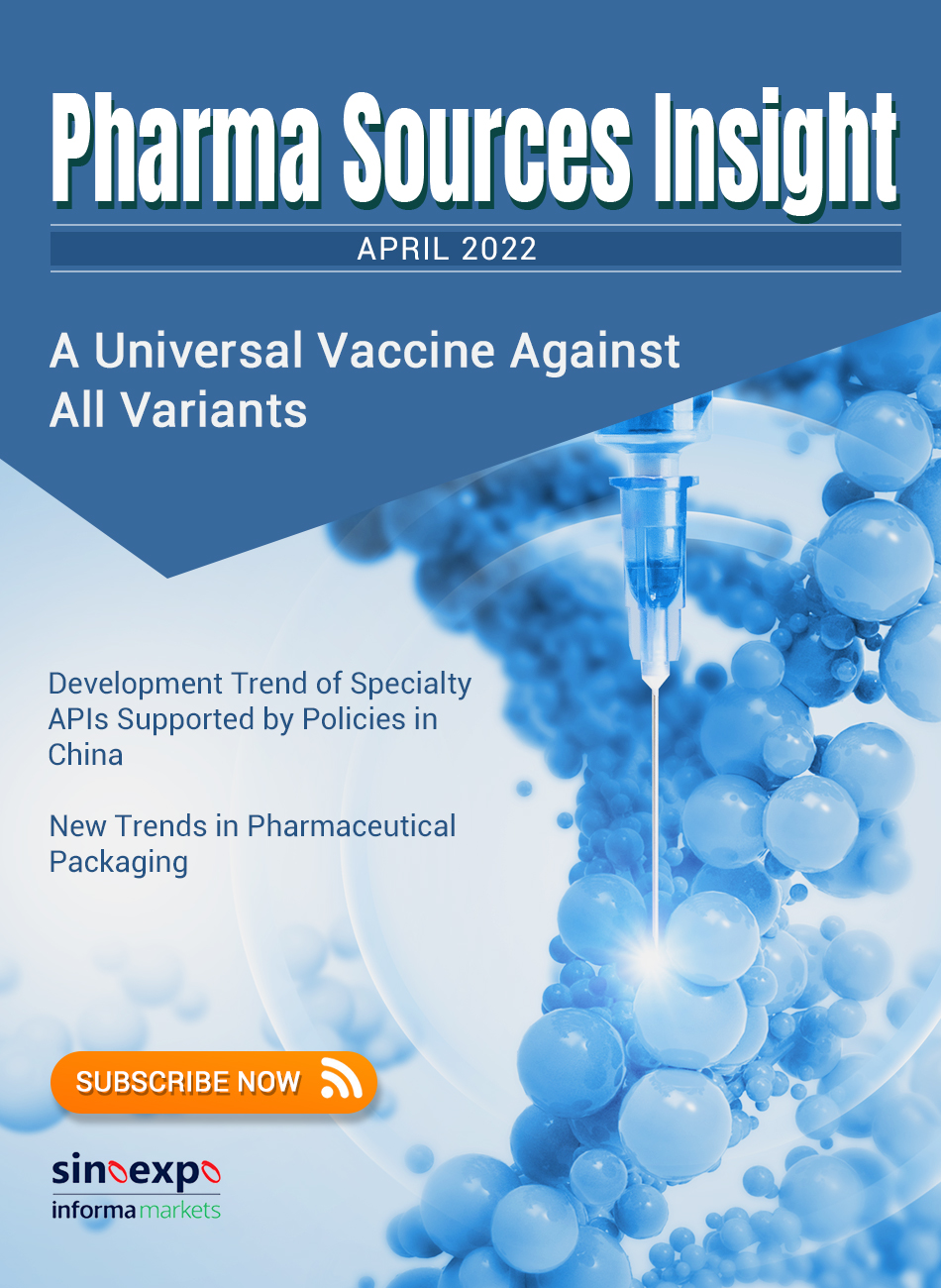
PSI APRIL 2022: A Universal Vaccine Against All Variants
DOWNLOAD
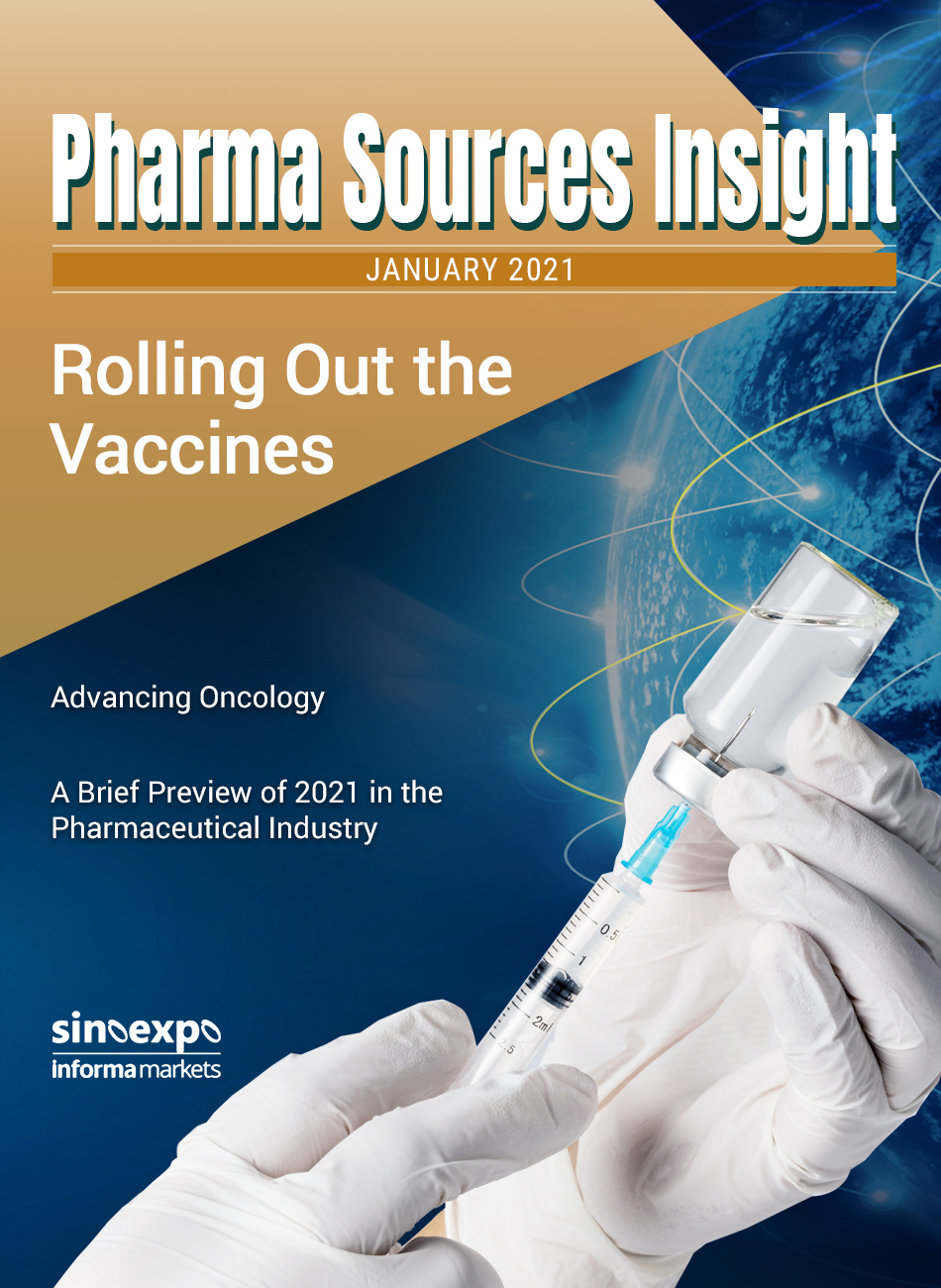
PSI January 2021: Rolling Out the Vaccines
DOWNLOAD
PSI August 2020: The Great Journey or Recovery

DOWNLOAD
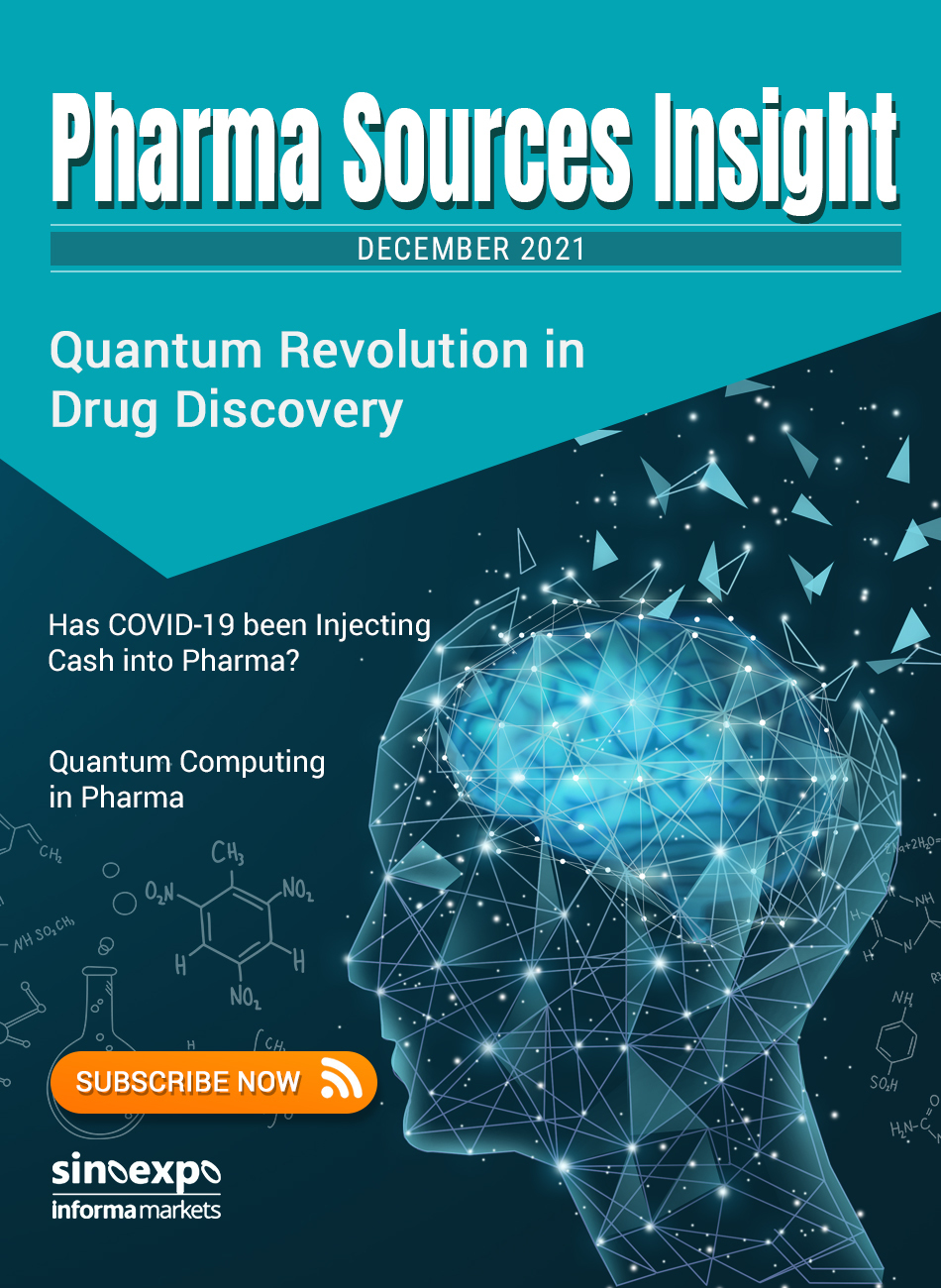
PSI December 2021: Quantum Revolution in Drug Discovery
DOWNLOAD
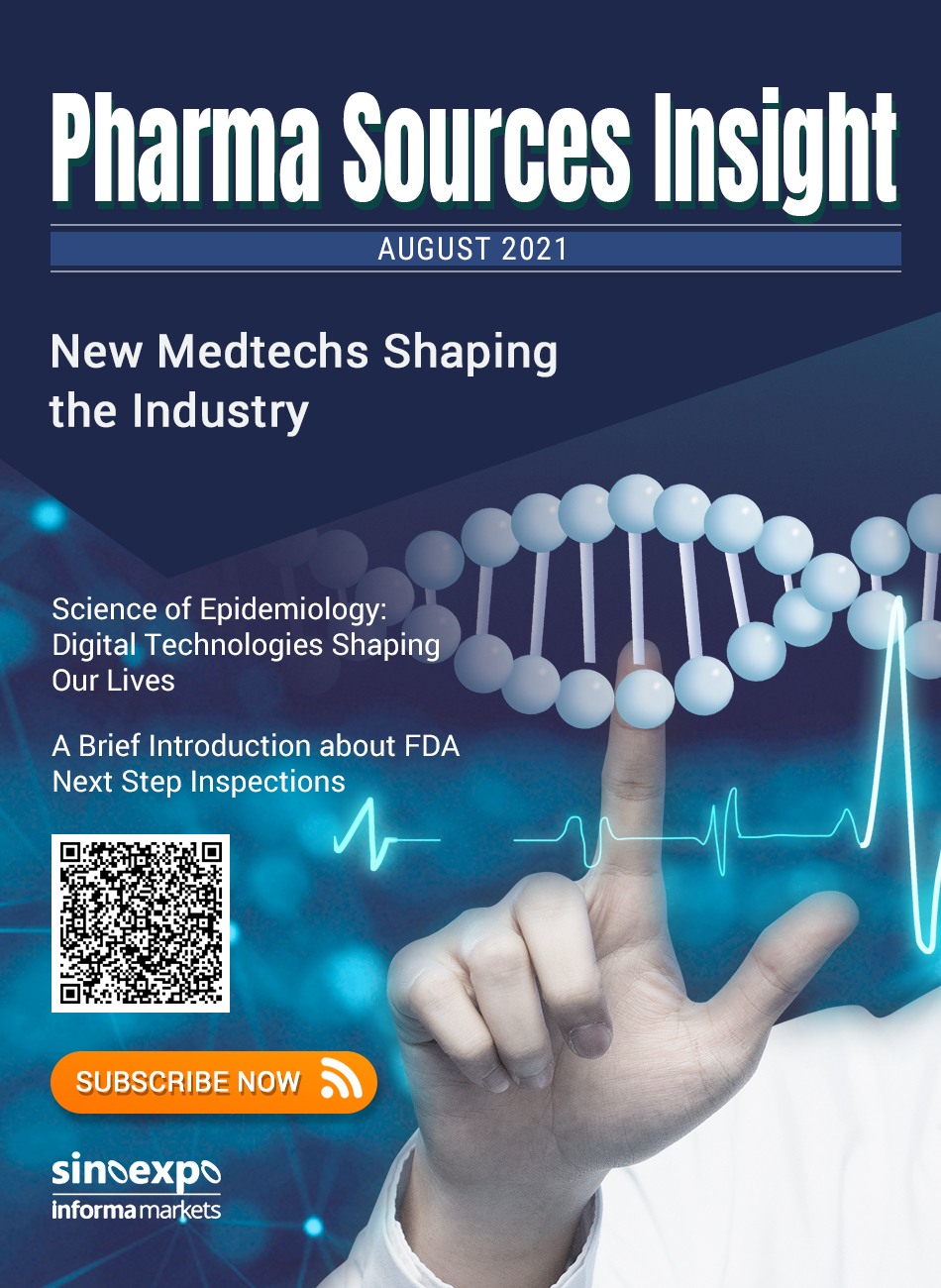
PSI August 2021: New Medtechs Shaping the Industry
DOWNLOAD
PSI April 2021: The Future of Immunotherapy

DOWNLOAD
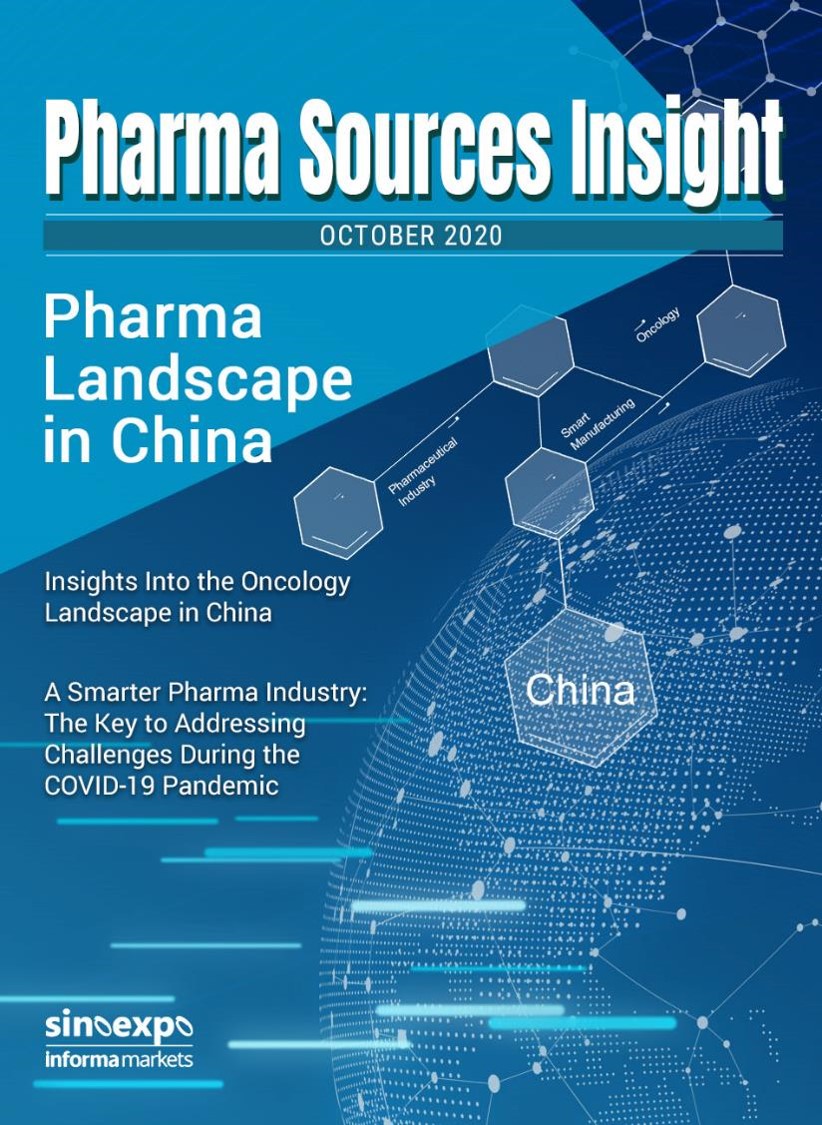
PSI October 2020: Pharma Landscape in China
DOWNLOAD
PSI June 2020: A Post-pandemic Future

DOWNLOAD
 SUBMIT ARTICLES
News
Comparing Sorbitol Lots: Reducing Sugars and Formulation
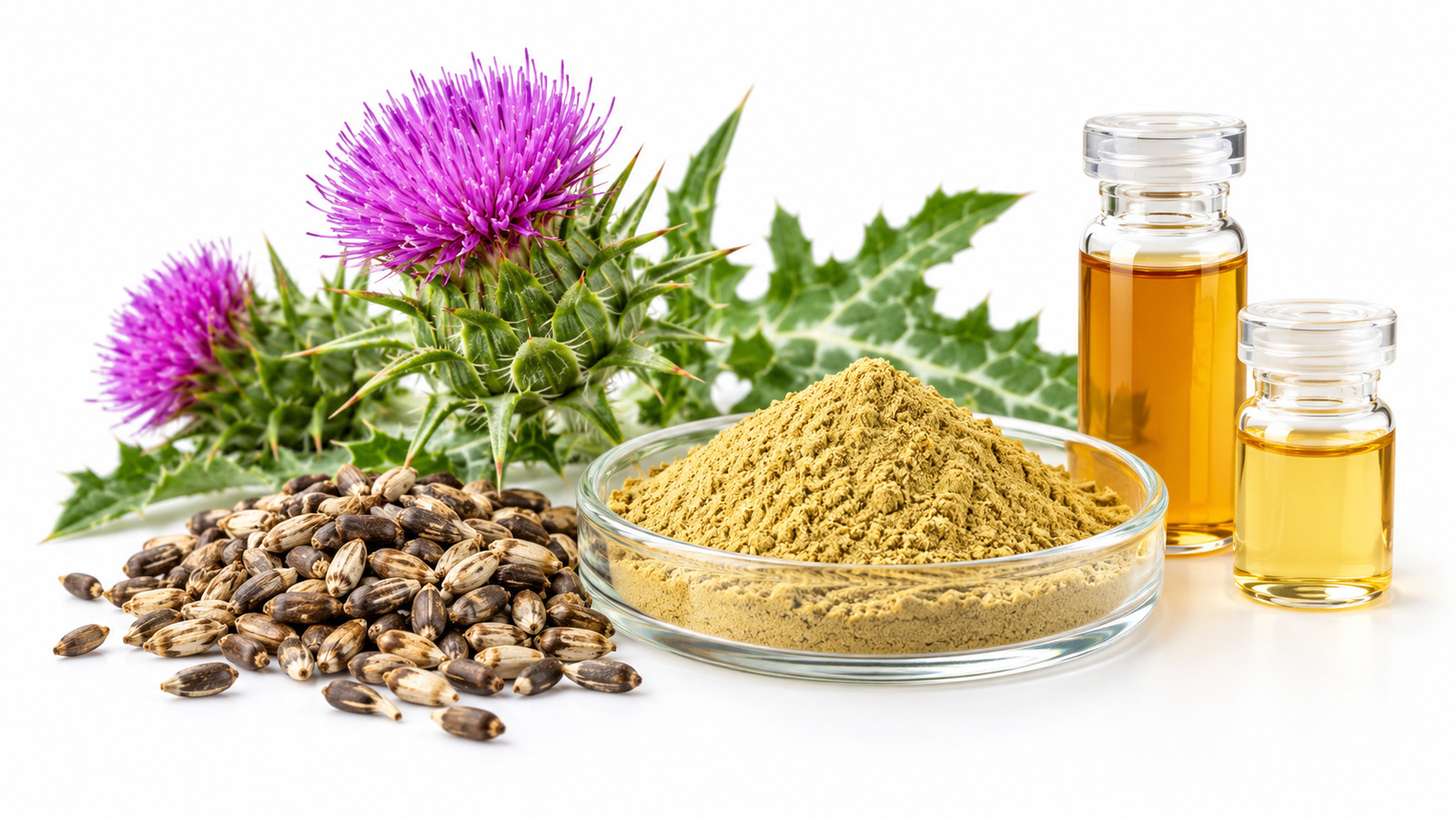
Milk Thistle Extract Silymarin, Solvents, and Formula Fit
Evaluate milk thistle extract through silymarin composition, analytical method, extraction solvent, residual-solvent evidence, and formulation fit.
Products Guide
November 16, 2026
Calcium Gluconate: Hydrate Form and Solubility
Compare calcium gluconate forms using hydrate identity, assay basis, solubility conditions, and risk-based elemental impurity controls.
Products Guide
November 13, 2026
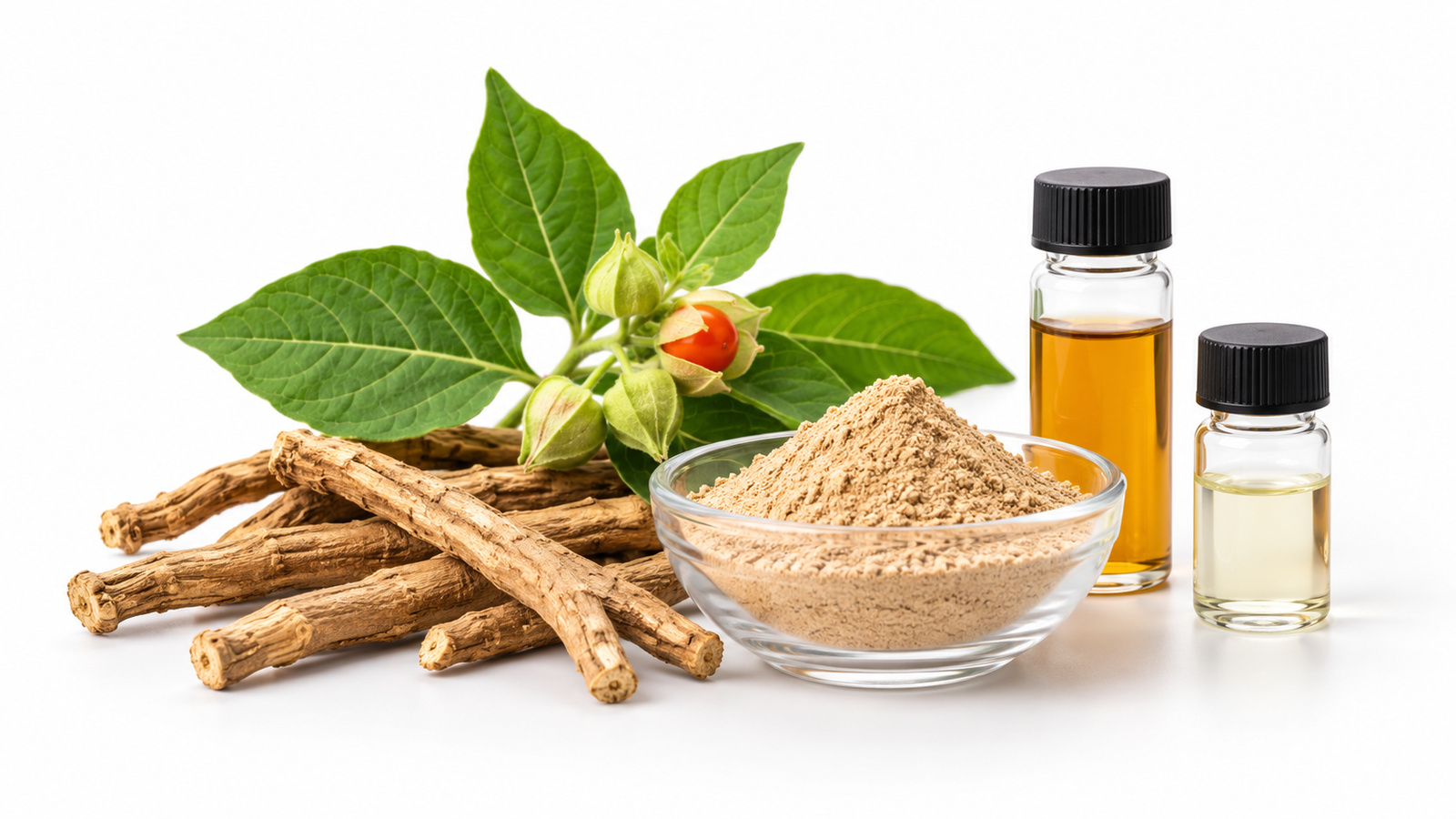
Ashwagandha Root vs Leaf: Withanolide Testing
Compare ashwagandha extracts through plant-part identity, withanolide methods, extraction basis, contaminants, and claim boundaries.
Products Guide
November 13, 2026
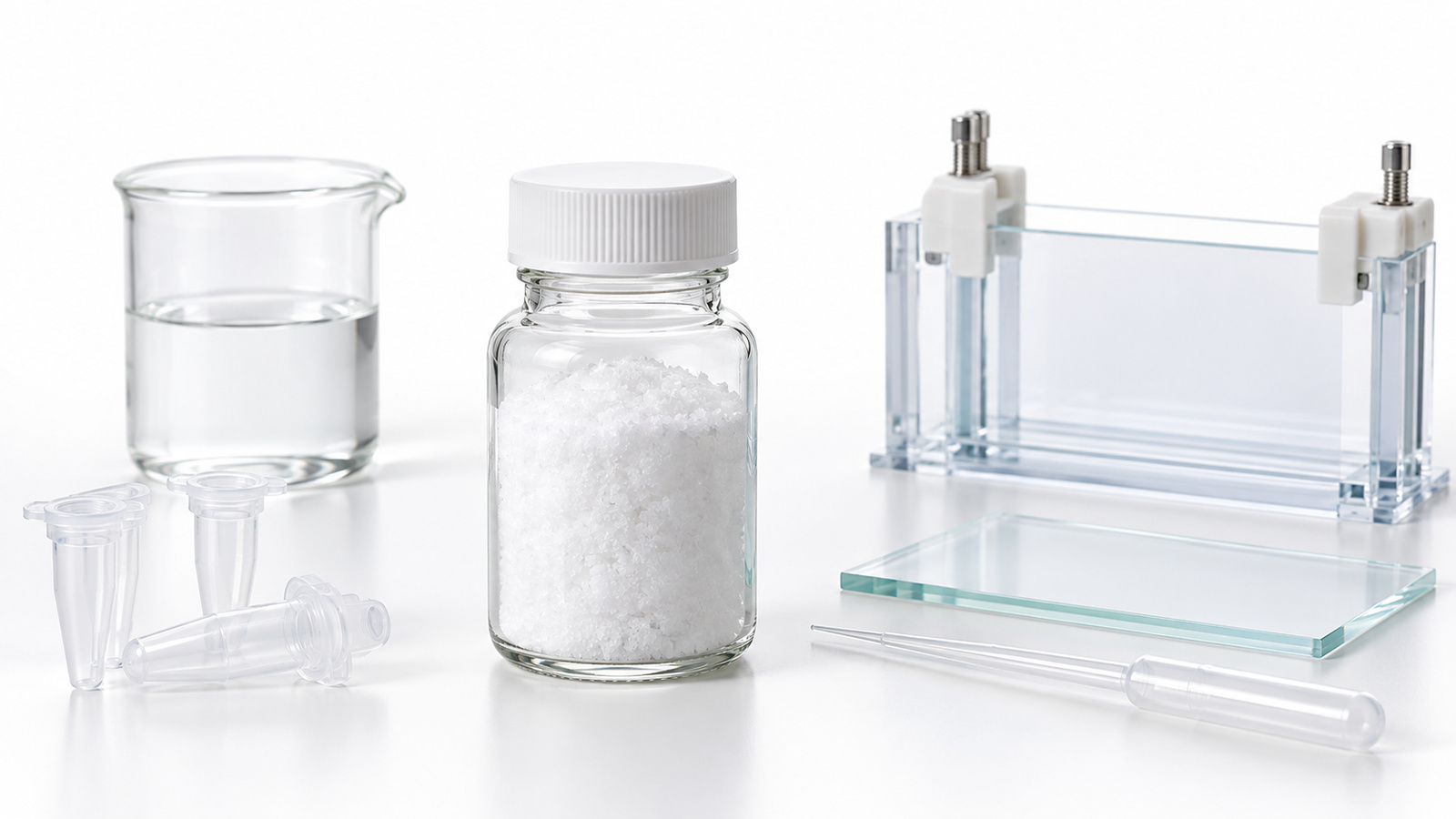
APS for PAGE: Assay, Storage, and Gel Performance
Evaluate ammonium persulfate for PAGE through assay basis, solution age, APS/TEMED chemistry, oxygen control, and a matched gel check.
Products Guide
November 13, 2026
Most popular
Methodology Validation in Chinese Pharmacopoeia 2025: How to Report Accuracy and Precision
Xing Xing
September 12, 2025
WuXi STA Enables Ascletis to Receive NDA Approval from China FDA for Ganovo
contractpharma
June 19, 2018
Kintor Pharma Receives IND Clearance by NMPA for KX-826's Pivotal Study to Treat Male Alopecia Patients
prnasia
December 2, 2021
ViiV Healthcare gets FDA expanded approval for HIV-1 drug Dovato
pharmaceutical-business-review
August 11, 2020
Pharma in China

List of API Varieties with WHO Prequalification (2025–2026)
October 19, 2026

A Five-Year Patent Extension for a RMB 6.2 Billion Blockbuster: A "Novartis-Style Victory" After the Collapse of Centralized Procurement Dreams
June 24, 2026

Parallel Bioreactors Enable the High-Quality Development of the Biopharmaceutical Industry
June 24, 2026
Pharma Experts
Tim Freeman

Compliance Compass

Pharma Sources Insight

Shem Oirere

Shruti Talashi

Muhammad Asim Niazi

Nurah Ekhlaque

Neeta Ratanghayra

David Orchard-Webb

Saher Haider

Suzanne Elvidge

Annie Roys

Sadia Ajmal

Sarah Harding

Jamie Clayton

Deepak Hegde

Noor Saleh

Dr. Preet Pal S.B.

Ronald D. Snee, PhD

Lin Zhang

Deborah Seah

Tim Freeman
 Managing Director of Freeman Technology


Compliance Compass
Global pharmaceutical regulatory updates | Policies & Guidelines



Pharma Sources Insight
PharmaSources.com




Shem Oirere
Freelance Writer



Shruti Talashi
MPHIL., MSc. Biotechnology


Muhammad Asim Niazi
Freelance Technical Engineering Writer




Nurah Ekhlaque
Nurah Ekhlaque, M.Sc. Biotechnology




Neeta Ratanghayra
M.Pharm, Freelance Medical Writer





David Orchard-Webb
Ph.D.





Saher Haider
PharmD, Medical & Life Sciences Content Creator





Suzanne Elvidge
Freelance medical writer





Annie Roys
Insights into how evolving regulations influence commercialization pathways across key global markets.





Sadia Ajmal
Pharmacy, Pharmacology and medical sciences reviews in the modern world.





Sarah Harding
PhD, Independent Science Writer





Jamie Clayton
Operations Director of Freeman Technology


Deepak Hegde
Ph.D., M.F.M





Noor Saleh
Freelance Science Writer


Dr. Preet Pal S.B.
Freelance Pharma Writer


Ronald D. Snee, PhD
Founder and President of Snee Associates





Lin Zhang
M.D. Manager





Deborah Seah
Science Writer




Subscribe
Get alerted on the PharmaSources E-Newsletter and Pharma Sources Insight E-Compilation!
Subscribe
Note: You can unsubscribe from the alerts at any time.

Contact Us
Advertising
Julia.zhang@imsinoexpo.com
Media Cooperation
Jennifer.Yang@imsinoexpo.com
Follow Us


Contact Us
About Us
Buy Service
Sell Service
Follow Us


Copyright 2006-2025  (All Rights Reserved)
Copyright 2006-2025 (All Rights Reserved)
(All Rights Reserved)