Product Description
Boron trifluoride acetonitrile complex CAS 420-16-6
Molecular Formula: BF3 CH3CN
Appearance: Colorless fuming liquid
BF3 Content: >19%
Moisture:≤0.5%
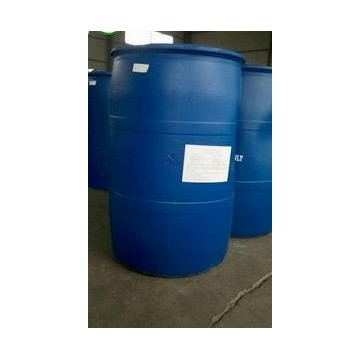
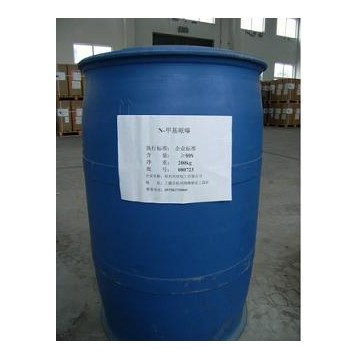
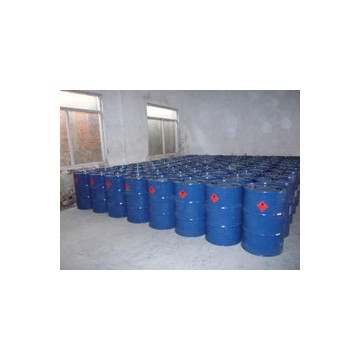
Packing: 180kg/Steel drum
Usage: intermediate
AI Product Description
*The following content is generated by AI and is for reference only.
Boron trifluoride acetonitrile complex is a widely utilized Lewis acid reagent in organic synthesis and industrial chemistry, characterized by its stability and ease of handling compared to anhydrous boron trifluoride gas. Chemically represented as BF₃·CH₃CN or C₂H₃BF₃N, this adduct consists of one molecule of boron trifluoride coordinated with one molecule of acetonitrile. The complex typically exists as a colorless to pale yellow liquid or crystalline solid, depending on the specific grade and temperature conditions. Its primary advantage lies in the fact that it serves as a convenient, non-volatile source of the highly reactive BF₃ moiety, eliminating the safety hazards associated with storing and transporting toxic, corrosive gases under pressure.
The Cas number for this compound is 1097-36-1. In laboratory and manufacturing settings, it is extensively employed as a catalyst for various transformation reactions. Notably, it facilitates esterification processes, where carboxylic acids are converted into esters efficiently. It also plays a critical role in polymerization reactions, acting as an initiator for cationic polymerization of vinyl ethers and other olefins. Furthermore, the complex is instrumental in Friedel-Crafts alkylation and acylation reactions, promoting electrophilic aromatic substitution with high selectivity. In the pharmaceutical industry, it aids in the synthesis of complex heterocyclic compounds and drug intermediates due to its ability to activate carbonyl groups and facilitate dehydration steps.
Safety protocols are essential when handling this substance, as it releases boron trifluoride upon exposure to moisture, generating hydrofluoric acid which is severely corrosive. Proper personal protective equipment and ventilation systems are mandatory. Despite these precautions, the boron trifluoride acetonitrile complex remains a cornerstone reagent in modern synthetic chemistry, offering a balanced profile of reactivity and operational convenience for researchers and industrial chemists alike. Its versatility ensures continued relevance in producing fine chemicals, agrochemicals, and advanced materials globally.



 (All Rights Reserved)

 Standard Member