Product Description
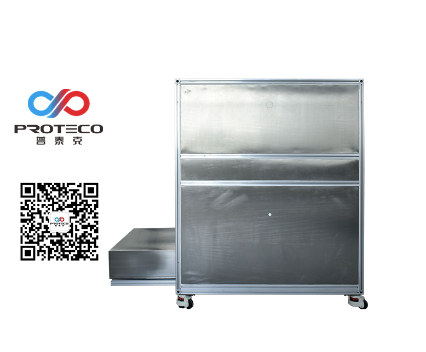
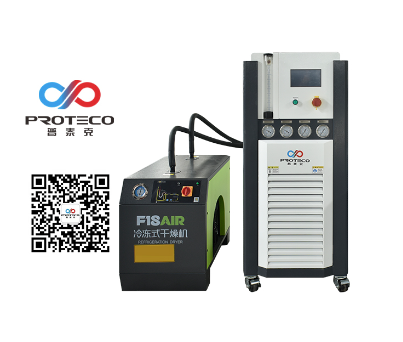
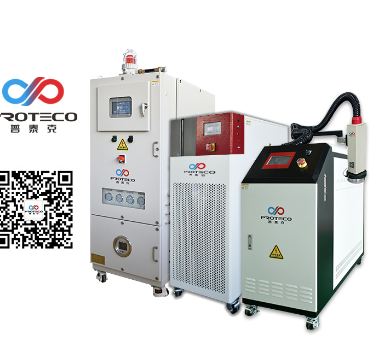
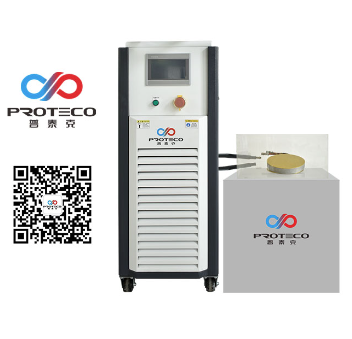
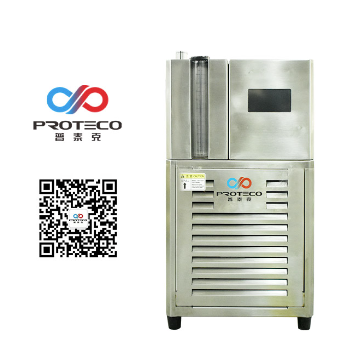
Ultra-low temperature direct cooler can also be used as gas trapping, which directly introduces refrigerant into the trapping device for evaporation, and quickly traps the gas in the space through the condensation effect on the surface of the trapping device.
AI Product Description
*The following content is generated by AI and is for reference only.
The direct-cooled cryocooler is a compact, closed-cycle refrigeration device designed to achieve ultra-low temperatures without the need for liquid helium or other consumable cryogens. These systems utilize a mechanical compressor and expander cycle, typically employing Stirling or pulse tube thermodynamic cycles, to cool sensitive instruments directly at the cold head. Their primary application lies in scientific research, medical imaging, and aerospace industries where reliable, maintenance-free cooling is critical. Infrared detectors, superconducting magnets, quantum computing components, and high-resolution spectrometers often rely on these coolers to operate efficiently at temperatures ranging from 4 Kelvin down to near absolute zero.
One of the most significant advantages of this technology is its ability to provide continuous operation with minimal user intervention, eliminating the logistical challenges and costs associated with refilling liquid cryogens. The sealed nature of the system ensures long-term stability and reduces contamination risks, making it ideal for vacuum environments. However, several precautions must be observed during installation and operation. Mechanical vibration generated by the moving parts can interfere with precision measurements; therefore, effective vibration isolation mounts are essential when coupling the cooler to delicate sensors. Additionally, thermal cycling should be managed carefully to prevent stress fractures in brittle materials connected to the cold head. Proper thermal anchoring and insulation are crucial to minimize heat load and maximize efficiency. Users must also adhere strictly to manufacturer guidelines regarding warm-up and cool-down rates to avoid thermal shock. Regular monitoring of operating parameters, such as pressure and temperature gradients, helps detect potential failures early. While these devices offer superior reliability compared to open-cycle systems, they require periodic maintenance of the compressor unit to ensure longevity. Ultimately, direct-cooled cryocoolers represent a cornerstone technology for modern low-temperature physics and engineering, enabling breakthroughs that were previously impossible due to cryogen dependency.


 (All Rights Reserved)

 Gold Member