Year Establishment: 2009
Location: 18-1-802, Green Garden, Jianghan District, Wuhan 430023, China
Main Products: API
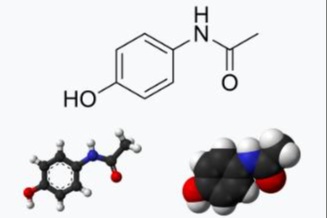
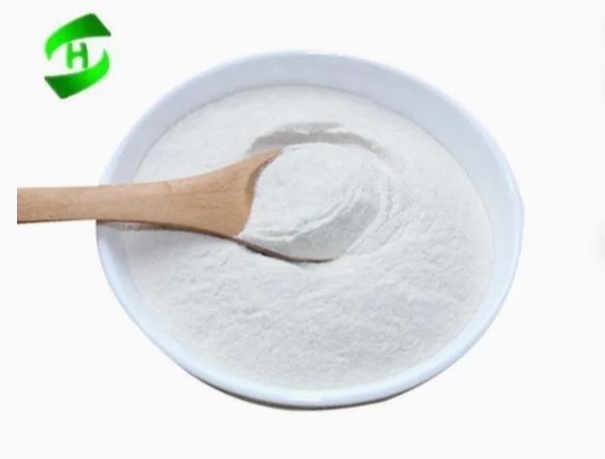
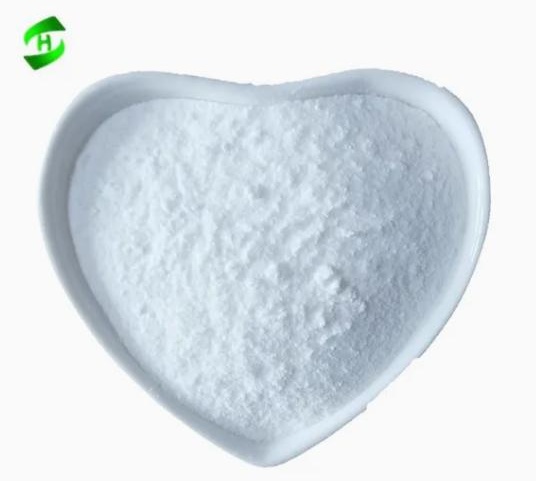
Name:Linezolid
Synonyms :LINEZOLID
Molecular Formula: C16H20FN3O4
Molecular Weight:337.35
CAS Registry Number:165800-03-3
Purity: above 99.8%
Transportation: by air or by sea
*The following content is generated by AI and is for reference only.
Linezolid is a synthetic oxazolidinone antibiotic, distinguished as the first member of its class to be approved for clinical use. Its chemical identity is defined by the molecular formula C₁₆H₂₀FN₃O₄ and the CAS Registry Number 165800-03-3. Structurally, it features a unique mechanism of action that inhibits bacterial protein synthesis at an early stage by binding reversibly to the 23S ribosomal subunit of the 50S subunit. This interaction prevents the formation of the functional initiation complex, thereby halting bacterial growth without interfering with human mitochondrial ribosomes at therapeutic doses, although high-dose or prolonged therapy requires monitoring for potential mitochondrial toxicity.
Clinically, Linezolid serves as a critical therapeutic agent against multidrug-resistant Gram-positive pathogens. It is primarily indicated for the treatment of complicated skin and soft tissue infections (cSSSI) caused by methicillin-resistant Staphylococcus aureus (MRSA) and vancomycin-resistant Enterococcus faecium (VRE). Furthermore, it is highly effective in managing community-acquired pneumonia (CAP) and hospital-acquired pneumonia (HAP), including cases where the causative agents are resistant to beta-lactams and glycopeptides like vancomycin. A significant advantage of Linezolid is its excellent oral bioavailability, which approaches 100%, allowing for seamless transition from intravenous to oral administration without dose adjustment. This feature facilitates cost-effective outpatient management and reduces hospital stay durations.
Despite its efficacy, careful clinical stewardship is essential due to adverse effects such as myelosuppression, particularly thrombocytopenia, and rare instances of peripheral neuropathy or optic neuritis with extended use exceeding two weeks. Additionally, because Linezolid acts as a weak monoamine oxidase inhibitor, patients must avoid consuming foods rich in tyramine to prevent hypertensive crises. Overall, Linezolid remains a cornerstone in modern antimicrobial therapy, providing a vital option for treating life-threatening infections caused by drug-resistant Gram-positive bacteria when other antibiotics fail.


 (All Rights Reserved)

 Standard Member