1、2-methyltetrahydrofuran is used for making chloroquine phosphate, primaquine phosphate, etc.
2、It is also used as solvent,such as substitute for tetrahydrofuran in Grignard Reaction,and also as a substitute for benzene, toluene, chloroform and other solvents. It is also widely used in the synthesis of spices, new materials and so on.
3、It is also used in automotive fuel additive.
*The following content is generated by AI and is for reference only.
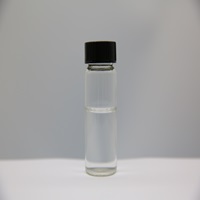
2-Methyltetrahydrofuran (2-MeTHF) is a versatile organic solvent and chemical intermediate characterized by its cyclic ether structure. With the molecular formula C5H10O and CAS Registry Number 96-47-9, this colorless liquid possesses a distinct ethereal odor and serves as a sustainable alternative to traditional solvents like tetrahydrofuran (THF), diethyl ether, and dichloromethane. Its unique physicochemical properties make it highly valuable across various industrial and laboratory applications.
One of the primary advantages of 2-MeTHF is its renewable origin; it can be derived from biomass sources such as furfural or levulinic acid, aligning with green chemistry principles. Unlike THF, which forms explosive peroxides upon prolonged storage, 2-MeTHF exhibits greater stability against peroxide formation, enhancing safety in handling and storage. Furthermore, it has a higher boiling point (80°C) compared to THF (66°C), allowing for reactions at elevated temperatures without excessive evaporation, while maintaining excellent solubility for a wide range of organic compounds, including resins, fats, waxes, and alkaloids.
In the pharmaceutical industry, 2-MeTHF is increasingly utilized as a reaction medium for organometallic reactions, particularly Grignard and lithium-based processes, due to its ability to stabilize reactive intermediates better than conventional ethers. It also plays a crucial role in extraction processes within the food and fragrance sectors, where its low toxicity profile is preferred over halogenated solvents. Additionally, its immiscibility with water facilitates easy phase separation, streamlining purification steps in synthesis workflows. As global regulations tighten regarding volatile organic compounds (VOCs) and hazardous waste, the adoption of 2-MeTHF continues to grow. Manufacturers and researchers favor it not only for its performance but also for its lower environmental impact and reduced flammability risks compared to many petroleum-derived alternatives. Whether used in fine chemical synthesis, polymer production, or analytical chemistry, 2-Methyltetrahydrofuran stands out as a robust, eco-friendly solvent that bridges the gap between efficiency and sustainability in modern chemical manufacturing.



 (All Rights Reserved)
 Standard Member