
Products
Products
Suppliers
News
Search
All Categories
Products or Suppliers
Content Hub
Product Zone
Sponsorship & Membership
CPHI & PMEC China
Active Pharmaceutical Ingredients
Intermediates & Fine Chemicals
Bio Products
Finished Dosage
Pharmaceutical Excipients
Natural Extracts
Dietary Supplements
Food Ingredients
Medical Aesthetic Skincare
Pharmaceutical Outsourcing, Customised Services, and Consulting
API Equipment
Preparation Equipment
Pharmaceutical Packaging Machinery
TCM Machinery
Pharmaceutical water equipment
Refrigeration Equipment
Parts and Components
Clean Technology
Environmental Protection Equipment
Laboratory
Packaging & Drug Delivery
Logistics
Measuring Instrument
Informatization Products
Other Consumables
Filtration separation
Intelligent Logistics
Cold chain Technical &Materials
Logistics Equipment &Materials
Storage Equipment &Materials
Logistic Services
Third-party logistics
Dangerous Goods Logistics
Level instrument
Pressure gauge
Thermometers
Flow meter
Gas analysis instrument
Liquid analysis instrument
Fermenter Equipment
Other Measuring Instrument
Other Logistics
Medical Aesthetic Consumables
Soft tube/Hard tube
Smart Lab
Pharmaceutical Intermediates
Anti-tumor Preparations
Pharmaceutical Manufacturing Outsourcing
Chemical and Biochemical Reactors
Mixing Equipment
CIP System(Clean in place)
Herbal medicine Concentration Equipment
Purification Equipment
Low Temperature Refrigeration
Seals
Laboratory General Equipment
Functional Food Raw Materials
Inner packaging equipment
Polluted Water / Wastewater Treatment Equipment
Injection Raw Materials and Ingredients
IVD (In Vitro Diagnostics) Consumables
Concentrator Equipment
MES System
APIs for Anti-Infective Drugs
Biochemical APIs
Botanical products
Pharma Packaging
Diluents (Fillers)
Intermediates for Agrochemicals
Reagent
Cardiovascular, Cerebrovascular, and Circulatory System Formulations
Pharmaceutical R&D Outsourcing
Drying Equipment
TCM Pulverizer
Water Purification Equipment
Purification Test Instrument
Air Conditioner
Sanitary Fittings
Analytical Instrument
Other Dipstick Consumables
Nutraceutical Ingredients
Granules Machinery
Outer packaging
Waste Gas Treatment Equipment
Active Ingredients
Binders
Drug delivery systems
Sensors
APIs for Nervous System Drugs
Animal-derived products
APIs for Cardiovascular System Drugs
Endocrine and Metabolic Preparations
Disintegrants
service
Crystalling Equipment
Pill Making Equipment
Other Water Treatment Equipment
Clean Clothes/Clean Cap/Clean Shoes
Cold Storage
Pumps
Food & Beverage Raw Materials
Life Science Instrument
Tablet equipment
Other pharmaceutical packaging equipment
Solid and Hazardous Waste Treatment Equipment
Innovative Materials
Controllers & Drivers
Speciality Intermediates
Microbial products
APIs for Digestive System Drugs
Antibacterial and Antiviral Formulations
Lubricants
Extraction Plant
Slice Machine
Clean Bench
Refrigeration Auxiliaries
Valves
Biologics
Food Additive
Reagents and Consumables
Capsule equipment
Pharmaceutical water equipment
Testing & Monitoring Instruments and Equipment
Veterinary Pharmaceutical Intermediates
Automation Software
APIs for Respiratory System Drugs
Bio Technology Service
Antipyretic and Analgesic Preparations
Glidants / Anti-caking Agents
Heat Exchanger
Herbal medicine Drying Equipment
Air Shower Room
Compressor
Cylinders
Fine Chemicals
Crushing equipment
Ultrapure Water System
Other Automation & Informatization Products
OEM/ODM
Measuring Instruments
Energy-saving and Low-carbon Equipment
Medical Device
Other Intermediates
Antiparasitic Preparations
Coating Agents
Storage Tanks, Containers
Herbal medicine Extraction Equipment
Air Purification
Other Refrigeration Equipment
Drive Equipment
Liquid preparation equipment
Solution Preparation System
Other Environmental Protection Equipment
APIs for Hormones and Regulatory Drugs
Other Natural Products
Physical Testing
APIs for Antiparasitic Drugs
Anti-Allergic Formulations
Plasticizer
Evaporating Equipment
TCM Cooking Equipments
Cleanroom
Reducers
Laboratory Engineering
Biopharmaceutical Equipment
Membrane Module
Other Medical Aesthetics & Skincare
APIs for Antipyretic and Analgesic Drugs
Anti-Tuberculosis and Anti-Leprosy Formulations
Surfactant
Distillation Equipment
Drop Pill Equipment
Purifying Engineering
VFD (Variable Frequency Drive)
Other preparation equipment
Distilled water machine
Laboratory Solutions
Vitamin
Digestive System Preparations
Centrifuge
Screening Machine
Honey Pill Machine
Flooring Materials
Bearing
Emulsifiers
Ion-exchange equipment
Online Process Control
Respiratory System Preparations
Sterilizing Equipment
TCM Deposition Equipment
Spare Part
Other Cleaning System
Stainless Steel
Suspending Agents / Thickening Agents
Nervous System Preparations
Filter press equipment
Herbal medicine Fermentation Equipment
Plastic
Containment System
Special Active Ingredients
Ointment Bases
Homogenizer Equipment
Other TCM Machinery
Others Parts and Components
APIs for Veterinary Drugs and Feed Additives
Anaesthetic and Adjuvant Formulations
Air Filter
Suppository Bases
Other Active Pharmaceutical Ingredients
Blood System Formulations
Cleanroom Consumables
Filter element
Glass lining equipment
Film-forming Agents
Urinary and Reproductive System Formulations
Other API Machinery and Equipment
Filter Paper
Release Modifiers
Immunomodulatory Formulations
Filter Paper Board
smotic Pressure Regulators / Tonicity Adjusting Agents
Water, Electrolyte, and Acid-Base Balance Regulating Formulations
Ph Control Agents
Nozzle, Tank Cleaning Machine
Vitamin, Mineral, and Amino Acid Formulations
Antioxidants / Antioxidant Synergists
Fluid Equipment
Enzyme and Other Biochemical Formulations
Antimicrobial Preservatives (Preservatives)
Tonic and Nutritional Formulations
Complexing Agents (Chelating Agents / Inclusion Compounds)
Hormonal Formulations
Solubilizers
Dermatological Preparations
Co-solvents
ENT Preparations
Penetration Enhancers (Transdermal)
Other Preparations
Freeze-drying Protective Agents
Refrigerants / Cryogens
Capsule
Correctives
Colorant
Fragrances
Adsorbents
Humectants
Pressure-sensitive Adhesives (PSA)
Stiffening Agents
Carriers for Dry Powder Inhalers (DPI Carriers)
Other Excipients
Pipes and Pipe Fittings
Vacuum Equipment
Air Compressor
Compressor
Other Fluid Equipment
Filters
Filter Presstem
Filtration System
Filter Cartridge
Filter Bag
Filter Mesh
Filter Cloth
Filter Membrane
Other Filtration Equipment
Sanitary Pressure Vessel
Hyaluronic Acid
Collagen
Botulinum Toxin
Peptide
Other Injection Raw Materials and Ingredients
Ceramide
Ectoin
Niacinamide
Asiaticoside
Ergothioneine
Chitosan
Other Active Ingredients
Chiral Intermediates
Advanced Intermediates
Microfiltration
Ultrafiltration
Auxiliary Equipment
Separation equipment
Penicillin
Hormones
Central Nervous System Drugs
Reagents for Biopharmaceuticals
Drug Target Discovery and Validation
Plant Extracts
Animal Extracts
Synthesis/Screening
Process Development/Optimisation/Scale-Up Production
Drug Registration and Submission Services
Ointment Filling-sealing Machine、Vacuum Mixer
Eye Drug Machinery
Soft Gelatin Capsule Machinery
Tablet Press
Pneumatic Cracker
Granulator
Labelers, Label Printers
Bag Packaging Machine
Thermostatic / Heating / Drying Equipment
Chromatography
Particle Size / Particle / Powder Analysis Instruments
Tabletop
Glass bottles & Vials
Prophylactic Biological Products
Mixing Tank/Blender
Bioreactor
Intravenous Infusion Set Assembly Equipment(Pen Assembly Equipment)
PCR
Recombinant Collagen
Alkaloids
Veterinary API
Regulated Fine Chemicals
Peptides
Metered Dose Inhalers
Balances / Weighing Scales
Online Gas Chromatography
Cephalosporins
Anesthetics
Immunology Reagents
Drug Development Technologies
Pharmaceutical Chemistry
Formulation Design
Regulatory and Compliance Consulting
Syrup Machinery
Injection Medicine Machinery
Hard Capsule Filling Machine
Coating Machine
Medicine Material Grinding Machine
Lettering machine
Box Packaging Machine
Mass Spectrometry
Laboratory Bench
Aluminum Foil
Rheometers / Viscometers
Fermentation Products
Chemical Reagents
Cleaning & Disinfection Equipment
Granulator
Emulsifier
Biological Fermentation System
Injection Molding Equipment
Protein analysis
Exosome
Phospholipids
Prostaglandins
Veterinary Biologics
Chemical Reagents
Therapeutic Biological Products
Dry Powder Inhalers
Biochemical Reagents
Antibodies
Natural Pigments
Animal Lipids
Enzyme Preparations
Flowmeters
Online Particle Size Analyzer
Tetracycline
Amino Acids and Derivatives
Process Optimization and Testing
Nucleic Acids and Derivatives
Pre-Clinical Research
Chemical/Biological API Manufacturing
Powder Filling Machine
Oral Liquid Machinery
Low Temperature Pulverizer
Strapping machine
Paper Film Packaging Machine
Pumps
Thermal Analyzers
Spectrometers
Other Measurement and Metrology Instruments
Storage Cabinets
Plastic Bottles
Other Industrial Process Control and Online Analytical Instruments
Certification
Feed Additives
Diagnostic Biological Products
Pulverizer
Coating Machine
Capsule Filling Machine
Other Mixing Equipment
Cell Engineering Equipment
Pre-filled Syringe Production Equipment
Purification Equipment
Electrophoresis/Gel Imaging/UV Detection
Regenerative Materials
Other Fine Chemicals
Cell Biology Reagents
Biological Consumables
Soft Mist Inhaler
Plant Polysaccharides
Animal Proteins
Microbial Polysaccharides
Aminoglycoside
Enzymes
Molecular Biology Reagents
Clinical Trials
Intermediate Synthesis and Production
Market and Business Strategy Consulting
Suppository Drug Machinery
Powder Injection Machinery
Pharmaceutical Milling Machinery
Printing Device
Blister Packaging Machine
Valves
Environmental Test Chambers
Moisture Analyzer
Air Discharge Equipment
Rubber Stopper
Tablet Press
Other Tablet Equipment
Capsule Production Line
Isolator
Synthesis/Reaction Equipment
Microbial Detection Instrument
Composite Biomaterials
Animal Breeding Auxiliary Products
Packaging Testing Equipment
Laboratory Glassware and General Consumables
Preclinical Research Services
Nebulizer
Essential Oils
Animal Polysaccharides
Bioactive Functional Ingredients
Macrolides
Microbial / Fermentation Reagents
Proteins
Other Technology Services
Biotechnology Services
Formulation Development and Manufacturing
Other Services
Medicine Film Drug Machinery
Infusion Medicine Machinery
Pharmaceutical Machine Milling
Instruction Booklet Folding Machine
Fan
Chromatography Consumables and Accessories
Other Physical Properties Testing Instruments
Gasket
Prefillable Syringes
Sample Preparation / Digestion Equipment
X-ray Structure Analysis
Safety Cabinet
Counting Machine (Tablet)
Other Capsule Filling Equipment
Disposable Biotechnology Equipment
Vacuum Packaging Machine
Laboratory Low-temperature Storage
Other Innovative Materials
Other Veterinary
Conveying equipment
Natural Spices
Bile Acids and Active Ingredients
Sulfonamides
Other Specialized Reagents
Computational Chemistry and AI-Assisted Drug Design
Clinical Trial Drug Manufacturing
Aerosol Drug Machinery
Super Micro Mill
Bottle Conveyer
Bundling Packaging Machine
Mixing/Dispersion Equipment
Other Laboratory Complete & Ancillary Equipment
Trays
Other Laboratory Consumable
Other Preparation Machinery for Solid Medcine
Centrifugal Separation System
Automatic Packaging Machine
Other Analytical Instrument
Chip System/Accessories
Cytokines
Counting Machine
Cartridge Vial
Medicinal Herbs
Bee Products
Chloramphenicols
Testing
Other Pharmaceutical Manufacturing Outsourcing
Medicine Filling Machine
Disk Type Bottle Straightening Machine
Lidding Materials
Other Crushing Equipment
Ultrafiltration/Microfiltration System
Horizontal Pillow Packaging Machine
Cartoning Machine
Auto-injector
Transfection/Cell Fusion
Track & Trace
Gas Generators / Gas Handling Equipment
Blood Products
TCM Ingredients & Slices
Animal Medicinal Materials
Lincomycin
Microbial Products
Bottle Washer
Vial Sealing Machine
Liquid Handling Equipment
Hoses and Fittings
Other Biopharmaceutical Equipment
Vertical Packaging Machine
Casing Machine
Microplate Reader/Enzyme Labeling Instrument
Analysis and Validation
Serialization System
Pen Injector
Other Anti-Infective Drug
Other Pharmaceutical R&D Outsourcing
Conveyer For Medicine Material
Other
Centrifuge
Spray Pump
Other Injectable Equipment
Aluminum Foil Packaging Machine
Coding Machine
Cell Analysis
Automated Assembly
Other Laboratory General Equipment
Packaging Bag Valve
Freeze Dryer
Granule packaging machine
Other Drug Delivery Device Accessories
Biological Microscope/In Vivo Imaging
Other Antibiotics
Cap Screwing Machine
Nasal Drug Delivery Devices / Nasal Spray Pumps
Printing Services
Liquid Packaging Machine
Laboratory Automation
Screw Capping Machine
Lamp Inspection Machine
Ophthalmic Drug Delivery Devices / Eye Drop Delivery Systems
Labelling
Powder Packaging Machine
Synthesizer
Heat Shrink Packaging Machine
Metal Detector
Insulin Pens / Blood Glucose Management Devices
Security Taggants & Markings
Tablet Packaging Machine
Animal Experiment Instrument
Injection & blow molding machines
Batching system
Self-Injection Systems / Safety Protection Devices
Incubator Equipment
Printed Drugs Packaging
Box filling & sealing machine
Palletizing equipment
CIP cleaning system
Topical / Gynecological / Intimate Drug Delivery Devices
Desiccants
Other Life Science Instrument
Bottle Filling Line
Contaners
Lifting Charging Machine
Others
Inhalant Packaging
BFS Bottlepack Machine
Weighting Equipment
Blister Packaging Machine
Pharmaceutical Paper
Packaging bag valve
Container Sealing Machine
Glass Tube
Other Pharmaceutical Outer Packaging Equipment
Multi-functional Bottle Packaging Machine
Medical Aesthetic Freeze-Dried Powder Vials
Sachets Cartoner Packing line
Primary Packaging
Other Pharmaceutical Inner Packaging Equipment
Aluminum Caps & Aluminum-Plastic Combination Caps
Sterile Bags / Breathing Bags / Sterilization Bags
Medical Device Packaging / Bioconsumables Packaging
Dispensing Bottles
Blister Packaging
Pharmaceutical Plastic Films / Composite Film Bags
Accessories
Ampuls
Other Packaging Materials
JIANGSU TAYACN DRYING TECHNOLOGY CO.,LTD
2
Years
Standard Member
Search
Company Introduction
View More
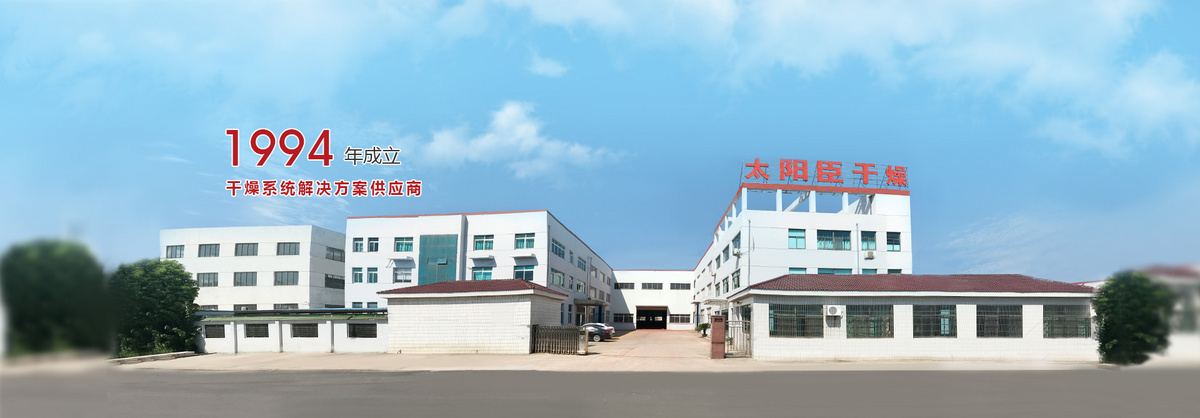
Jiangsu Taiyangchen Drying Technology Co., Ltd. is a platform based enterprise that promotes ecological openness, collaboration, and interactive cooperation. Over the past 30 years, extensive customer applications have enabled Jiangsu Taiyangchen to have nearly 10000 users, achieving its advantages in drying, thermal energy, and environmental protection technologies, as well as its strength in manufacturing complete sets of intelligent equipment production lines.
Technological innovation is the driving force behind enterprise development. Taiyangchen adheres to innovative development and maintains close cooperation with domestic and international professional institutions, as well as research institutes of higher education, committed to building a benchmark enterprise in the drying industry.
Jiangsu Taiyangchen is willing to share advanced technology and rich project experience, as well as operating standards that comply with international health, safety, and environmental standards, to help users innovate applications in drying, thermal energy, environmental protection, and other fields.
Business type
Manufacturer,Agent,Distributor,Wholesaler,Exporter,Importer,Trading Company,Retailer,Service Provider
Main Products
Intermediates&Fine Chemicals,API Equipment,Preparation Equipment,Pharmaceutical Packaging Machinery,TCM Machinery,Pharmaceutical water equipment,Clean Technology,Refrigeration Equipment,Parts and Components&Informatization Products,Fluid Equipment,Laboratory,Packaging Materials,Environmental Protection Equipment
Main Competitive Advantages
Brand,International certification/standard,Experienced R&D personnel,Delivery speed,Production capacity,Rich product line,Contract Customization (CRO,CMO),Accept the buyer's specification requirements,Accept small orders,Good reputation,High-quality service
Website
http://www.tayacn.com/
JIANGSU TAYACN DRYING TECHNOLOGY CO.,LTD
Main Sales Market
North America,Central/South America,Western Europe,Eastern Europe,Australasia,Asia,Middle East,Africa
Year of establishment
1994
Personnel size
<10
Annual Turnover(USD)
no
Contacter
Zhuang Cheng
View Detail
Main products
View More
News
View More
Flash dryer integrates crushing, drying and grading, dewatering in seconds to solve the problem of pasty filter cake powder processing.
Drying of paste filter cake and high-humidity viscous sediment has always been a difficult point in powder production. This kind of material is wet and agglomerated, and conventional drying equipment is easy to block and agglomerate. Flash dryer integrates swirling, fluidization, spouting, crushing and classification technologies. One equipment completes the operation of dispersing, drying and classifying at the same time. Wet paste material enters the equipment and can be converted into qualified dry powder in only a few seconds, widely used in inorganic pigments, calcium carbonate, soy protein, ointment, dye intermediates and other materials processing. A high-speed stirring and scattering mechanism is set at the bottom of the equipment. Wet materials are fed into the drying host through the screw feeder. Under the shear impact of the stirring paddle, the agglomerated materials are scattered into fine particles. At the same time, hot air enters the cylinder at high speed along the tangential direction to form a strong swirl field. The fine particles are suspended in the hot air flow to quickly complete water evaporation. An adjustable grading ring is set at the top of the equipment. Large particle materials are intercepted and dropped to the bottom to be scattered and dried again. Powder with qualified particle size enters the receiving system with air flow to accurately control the particle size and moisture content of the finished product. The moisture content of the finished product of calcium carbonate materials can be controlled below 0.1. The material residence time is extremely short, only 1 to 5 seconds, even if it is a heat-sensitive material, it will not be in a high temperature environment for a long time, effectively preventing the material from coking and oxidative deterioration. The whole machine runs in a closed manner under micro negative pressure, and the dust is not easy to leak out. The tail gas is discharged after dust removal and purification by cloth bag, which meets the environmental protection emission index and the workshop operation environment is clean and tidy. The equipment cylinder is provided with an anti-sticking wall scraper to reduce the accumulation of powder adhering to the cylinder wall and ensure long-term continuous operation without blocking materials. Compared with spray drying equipment, under the same capacity conditions, the flash dryer equipment is smaller, the floor area is significantly reduced, the equipment investment cost is lower, and the energy consumption per unit product is only about 1/3 of that of spray drying. Flexible heat source selection, steam, hot air stove, electric heating, biomass heat source can be matched, adapt to different plant energy conditions. The equipment can adjust the stirring speed, hot air temperature and feed rate according to the material characteristics, and adapt to high viscosity filter cake, high solid slurry and other difficult materials. In the fine chemical industry, iron oxide red, aluminum hydroxide, catalyst filter cake a large number of flash drying process, filter cake direct feed, dry directly to the finished powder, save independent crushing equipment, shorten the whole production line process, reduce equipment input and material transfer loss. In the food industry, bean dregs and plant protein paste are treated by flash drying to obtain protein powder with good fluidity and expand the application scenario of food raw materials. The equipment has a high degree of automation, feeding, drying, grading and receiving materials are continuously completed, and manual intervention is less. Under the trend of pursuing short process, low input and continuous production in the powder processing industry, flash dryer has become the mainstream choice for powder processing of paste paste materials by virtue of its advantages of integrated process, rapid dehydration and compact equipment, helping fine chemical and food material enterprises to simplify production processes and improve production efficiency of powder products.
2026-10-20
View
Disc continuous dryer helps fine chemical powder to improve quality and reduce consumption
With the continuous advancement of the green transformation of the fine chemical industry, the energy consumption control of the material drying process and the stability of product quality have become the key direction of the industry's production optimization. Disc continuous dryer as a conductive continuous drying equipment, with multi-layer hollow disc structure, in the chemical powder, intermediate processing scene continuous release efficiency, for the industry energy-saving production to provide a reliable solution. The equipment relies on steam, heat transfer oil and other heat media introduced into the drying tray to transfer heat. Wet materials are continuously fed into the first layer of drying tray by the upper feeding device. The rake leaves push the materials to move radially along the surface of the tray, and fall layer by layer to complete heat exchange and dehydration. Wet steam is discharged from the top of the equipment. The dried materials are discharged from the bottom in a centralized manner. The whole process is continuous and uninterrupted. The core advantages of the disc dryer are reflected in both thermal efficiency and production environment. Compared with the traditional hot air drying equipment, it does not rely on a large amount of hot air to carry heat, the heat is directly conducted to the material through the metal plate surface, the heat loss is lower, and the energy consumption per unit of water evaporation is significantly reduced. The overall closed shell structure of the equipment can inhibit dust spillover, reduce the diffusion of volatile gases, and adapt to chemical plants with strict environmental protection control requirements. The equipment can be set with various working modes of normal pressure, airtight and vacuum. Under vacuum working conditions, low temperature drying can be realized to protect heat sensitive chemical materials and avoid material deterioration and color change caused by high temperature. In the fine chemical production site, dye intermediates, resin powder, inorganic salt raw materials and other materials often have problems such as large fluctuations in moisture content and easy agglomeration when heated. The disc dryer can adjust the spindle speed and material layer thickness according to the material characteristics, accurately control the material residence time, and ensure the uniform and stable moisture content of the finished product. The internal structure of the equipment is simple, and the contact material can be made of stainless steel, which is convenient for regular cleaning and reduces cross-contamination of different batches of materials. Multi-layer disk vertical arrangement, greatly reduce the equipment floor area, adapt to the old factory real estate line transformation, in the limited workshop space to enhance the scale of processing. In addition to the fine chemical field, the equipment is also suitable for pharmaceutical raw materials, food additives, industrial solid waste drying and other scenarios. In the face of materials containing organic solvents, a solvent recovery condenser can be used to condense and recover volatile solvents to achieve resource recycling and reduce raw material loss. In the solid waste treatment scenario, all kinds of sludge and waste residue are greatly reduced in volume after disc drying treatment, which is convenient for subsequent transfer and resource disposal. At present, the chemical industry continues to promote low-carbon transformation, disc dryer by virtue of stable continuous operation, low dust emission, energy consumption control and other characteristics, in the stock production line upgrade to obtain a wide range of applications, continue to promote the powder material drying link green, standardized operation.
2026-10-10
View
Multi-layer belt dryer hot air through drying mechanism and optimization of sheet material drying process
The multi-layer belt dryer is a continuous hot-air penetrating drying equipment. It relies on a multi-layer mesh belt to convey materials. The hot air penetrates the sheet and strip material layers laid on the mesh belt, and completes dehydration by sectional temperature control. It is mostly used for drying shaped materials such as Chinese herbal pieces, fruit and vegetable slices, fiber filter cake, etc. Different from hot air purging drying, penetrating hot air directly passes through the material layer, and the heat transfer efficiency to the inside of the material is higher. With multi-layer mesh belt turning, common problems such as uneven drying and surface crusts of sheet materials are effectively improved. The hot air penetrating drying mechanism is mastered, and the parameters of material distribution and temperature control are optimized, which can significantly improve the finished product quality of sheet materials. Wet materials are evenly spread on the surface of the first layer of stainless steel mesh belt, the mesh belt moves slowly, and the materials enter multiple independent drying units in turn. Each unit is equipped with a circulating fan and a heater. The hot air penetrates the material layer, exchanges heat with the internal moisture of the material, and takes away the vaporized water vapor. When the material falls between layers, the material layer is turned over, the material layer is loosened again, the surface crust is broken, the internal material is exposed to hot air, and the short board of surface dry and internal wet that is easy to appear when the single-layer mesh belt is dried is solved. The multi-layer arrangement greatly compresses the occupied area of the equipment, and at the same time prolongs the total residence time of the material, which is suitable for the long-term dehydration demand of thick sheet materials. The drying units are independent of each other, and the temperature and hot air speed can be set separately to construct a gradient drying curve. At the initial stage of drying, lower temperature and appropriate wind speed are adopted to preferentially remove free water on the surface of the material, so as to avoid rapid baking at high temperature to harden the surface of the material to form a water-proof shell and hinder internal moisture migration. The temperature is raised in the middle section to carry out deep dehydration. The temperature at the end is lowered to quench and cool the material to reduce cracking, shrinkage and deformation of the material. The thickness of the paving material, the running speed of the mesh belt and the hot air speed are the core process parameters. The paving material is too thick, the hot air penetration resistance is large, the lower material cannot get sufficient heat exchange, and the drying is uneven; the paving material is too thin, the production capacity is low, and the heat energy utilization rate decreases. The mesh belt speed determines the total residence time of the material: thick sheet material reduces the mesh belt speed and prolongs the drying time; thin sheet material increases the speed and increases the production capacity. The wind speed of the hot air needs to match the material characteristics. If the wind speed is too high, the light and thin materials will be blown off the mesh belt, causing material loss; if the wind speed is too low, the penetration capacity is insufficient, the water vapor cannot be taken away in time, and the drying efficiency decreases. The whole system can be equipped with a waste heat recovery device to recover the heat in the wet exhaust gas, preheat the new cold air, and reduce the heating energy consumption. The mesh belt and box body of contact materials are polished with stainless steel to meet the requirements of clean production of food and traditional Chinese medicine. The equipment is equipped with an access door to facilitate mesh belt inspection and residual material cleaning. Sheet material drying is prone to surface crusting phenomenon, which is the focus of the multi-layer belt drying process to avoid the problem. When the water on the surface of the material evaporates rapidly, the surface of the material forms a dense dry layer, and the resistance of water diffusion from the inside to the outside increases sharply. Even if the heating continues, the internal water is difficult to come out, causing the outside to be dry and the inside to be wet. Gradient temperature control and interlayer turning are the core means to solve this problem. For high-sugar fruit and vegetable slices, such materials that are easy to adhere, the thickness of the paving material can be reduced, the frequency of turning material can be increased appropriately, and the sheets can be prevented from bonding to each other. Equipment operation and maintenance focus on checking the tension of the mesh belt. Loose deviation of the mesh belt will cause uneven material distribution. Regularly clean up debris accumulated in the circulating fan and air duct to ensure uniform distribution of hot air. Before production, determine the thickness and temperature curve according to the material thickness, initial moisture content and shrinkage characteristics. Relying on the principle of hot air through-drying and multi-layer turning structure, the multi-layer belt dryer is suitable for continuous dehydration of various sheet materials, effectively alleviating the problem of crusts and deformation, and plays a stable role in the deep processing of agricultural products and the processing of traditional Chinese medicine.
2026-09-10
View
Copyright 2006-2026  (All Rights Reserved)
Copyright 2006-2026 (All Rights Reserved)
(All Rights Reserved)